
Chapter 2: Enablers for Regenerative Cities
The regenerative city is supported by seven enablers that ensure it is conducive for regenerative urban developments to take root. Learn more about these enablers here.
Last updated on 13 June 2026
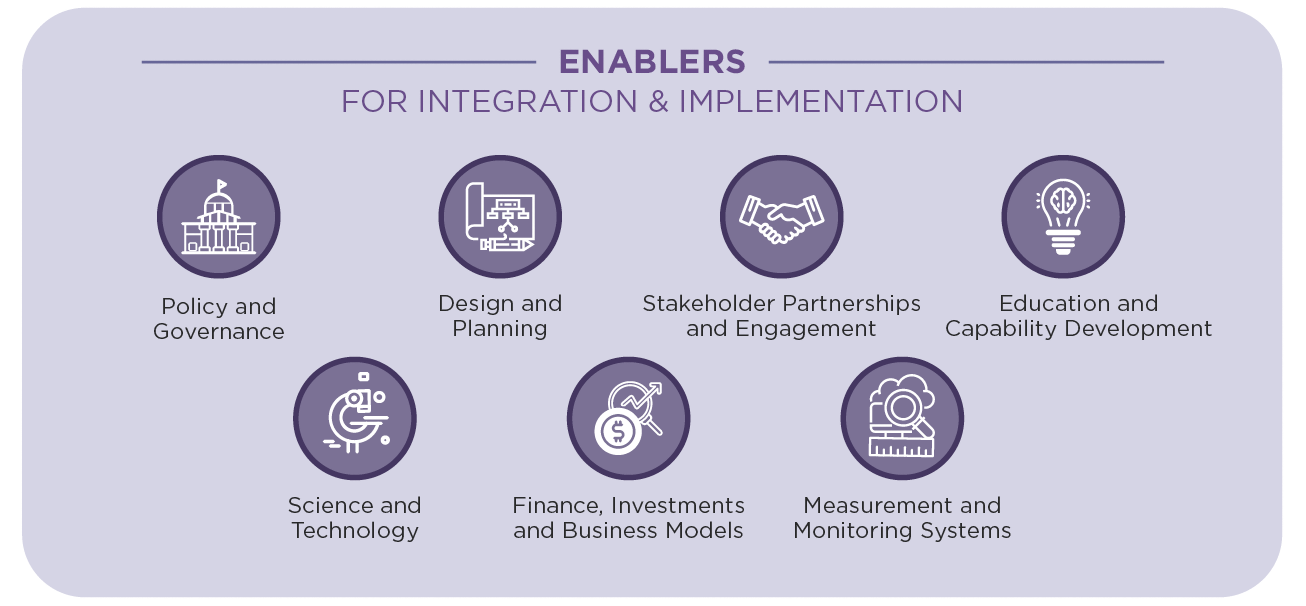
The seven enablers for regenerative cities. (Centre for Liveable Cities)
Strategies alone cannot transform cities. Behind every successful regenerative project are the supportive conditions, resources and capacities that enable regenerative urban developments to take root. There are seven enablers in the Framework.
❶ Policy and Governance

The right policies and governance systems create the institutional environment for regenerative strategies to flourish. Enabling policy frameworks support collaboration across urban systems and stakeholders. They can bridge separate mandates, budgets and metrics to harness synergies and co-benefits.
The regenerative city benefits from a policy environment conducive to adaptation, experimentation and reflection. Sandboxes and pilot projects allow for experimentation with stakeholders while minimising risk, and cities can move towards evidence-based policymaking to institutionalise the regenerative principles of dynamism and reflexivity.
Policy can also catalyse the scaling of regenerative approaches. For instance, it can set a city-wide agenda to rally stakeholders such as architects, developers and engineers, and remove barriers within existing policies to accelerate action. In these ways, a city can use policy to signal its commitment to regenerative urbanism.
Case Study: The Retrofit First Policy in London, United Kingdom
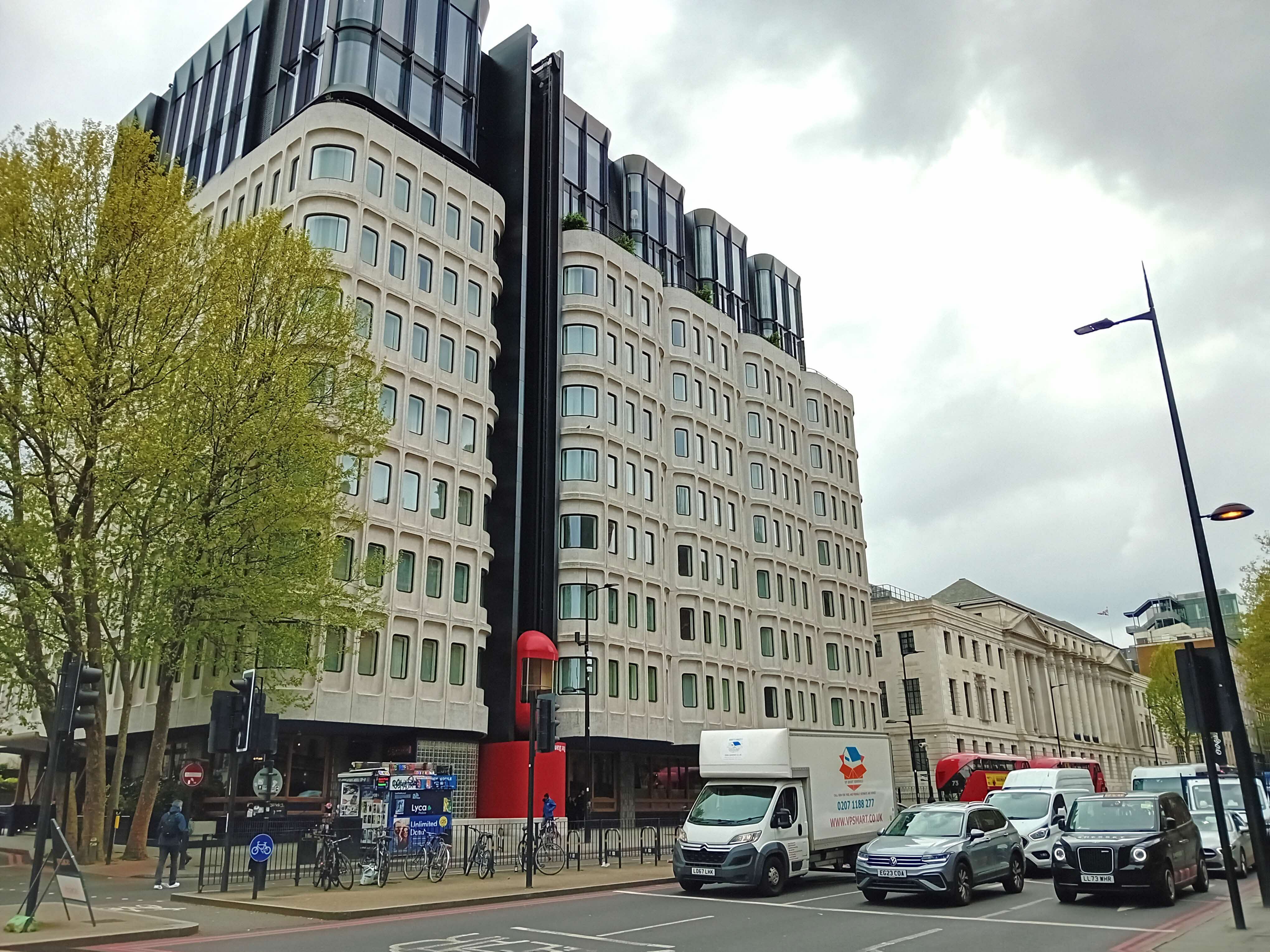
The Standard Hotel in Camden, London, previously the old Camden Town Hall. (Richard Kelly (CC BY-SA 4.0) / Wikimedia Commons)
London's Retrofit First Policy mandates that developers consider adaptive reuse before demolition during redevelopment. A notable example is the old Camden Town Hall extension, whose brutalist exterior was retrofitted with three new stainless steel and glass storeys to become the Standard Hotel. This exemplifies how embedding retrofit principles into planning policy can drive the adoption of regenerative strategies at scale.
Driving Regenerative Urban Development through Green Mark and Innovation
Learn more about how Singapore is committed to drive energy efficiency and carbon reduction of the built environment through the Building and Construction Authority's Green Mark scheme. [By: Tan Chee Kiat, Deputy Chief Executive Officer (Industry Development), Building and Construction Authority, Singapore]
❷ Design and Planning
Deliberate design and planning sets the path to achieving regenerative outcomes upstream.
A regenerative city is designed with time in mind. Approaches like design for manufacturing and assembly (DfMA) and design for disassembly improve construction and resource efficiencies, ensuring that buildings remain adaptable and relevant long after completion. Thinking in extended timeframes also means enabling outcomes that require time to materialise, such as urban biodiversity restoration and social cohesion.
Urban and building form are impactful passive decarbonisation strategies. For example, the right urban form can facilitate wind flow and shade for thermal comfort. Similarly, orientating buildings favourably for maximum shading in the tropics, or maximum sunlight in temperate countries, can significantly reduce operational energy demands.
Developments that are intentionally designed to be compact can achieve compounded benefits. Compact urban forms that are effectively co-located can harness synergies such as operational efficiencies arising from density and reduced commute distances, while minimising land take and enabling other uses. Zoning that encourages multiple uses and densification directly impacts a place's capacity to generate co-benefits.
Case Study: Powerhouse Brattørkaia in Trondheim, Norway
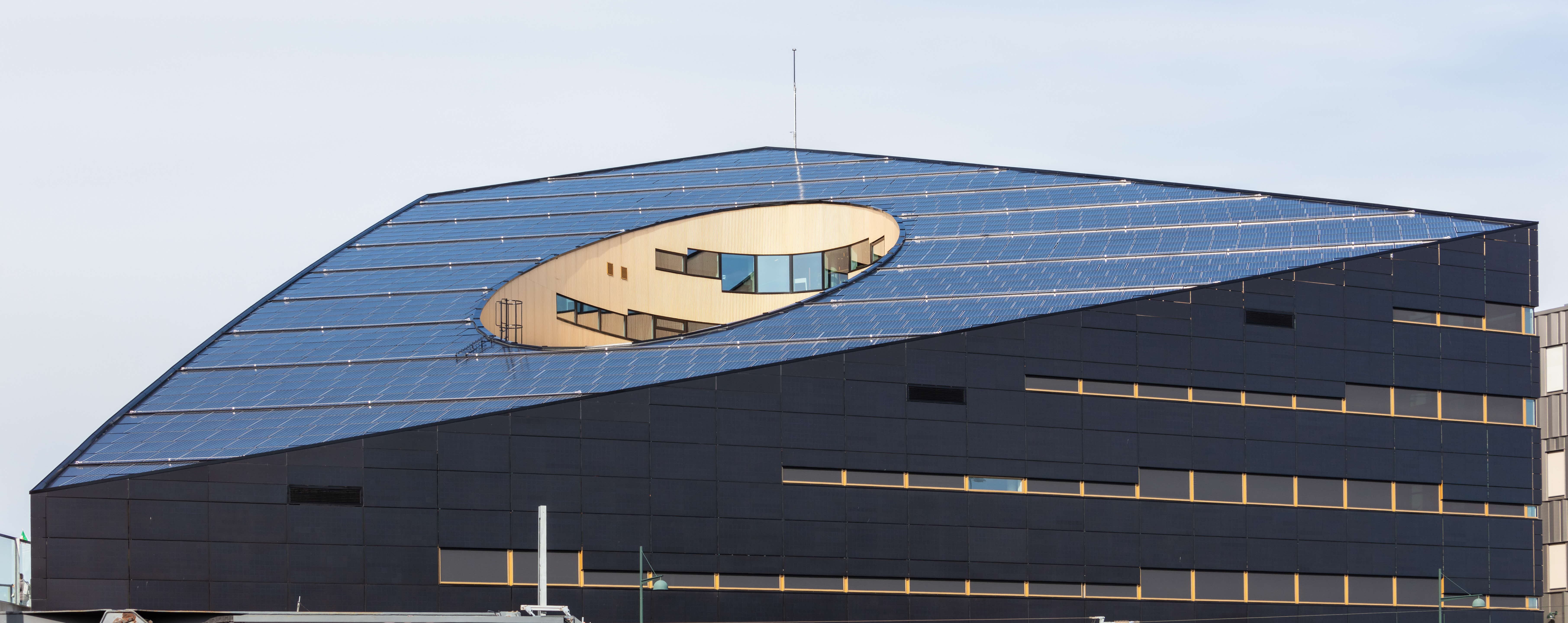
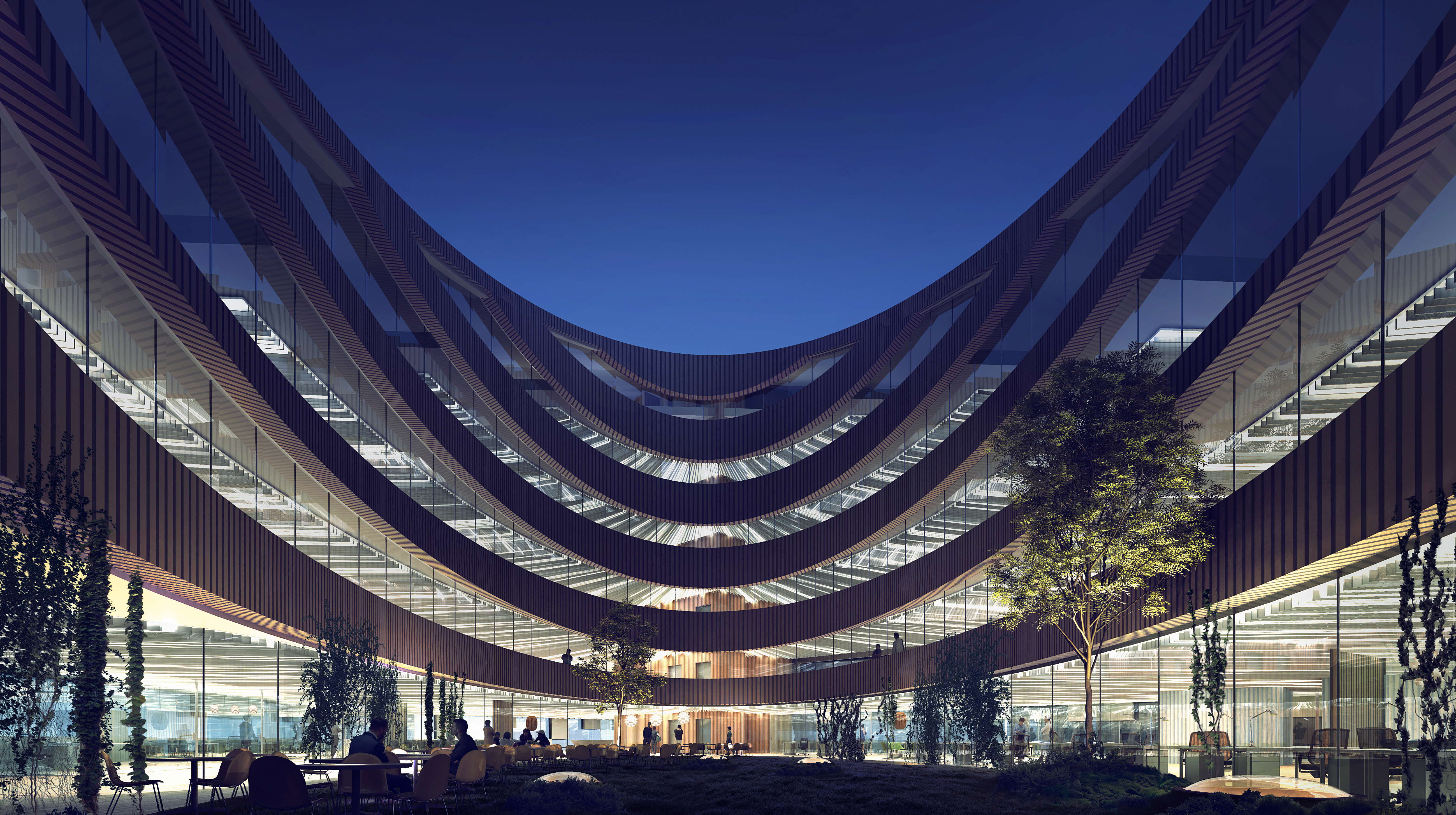
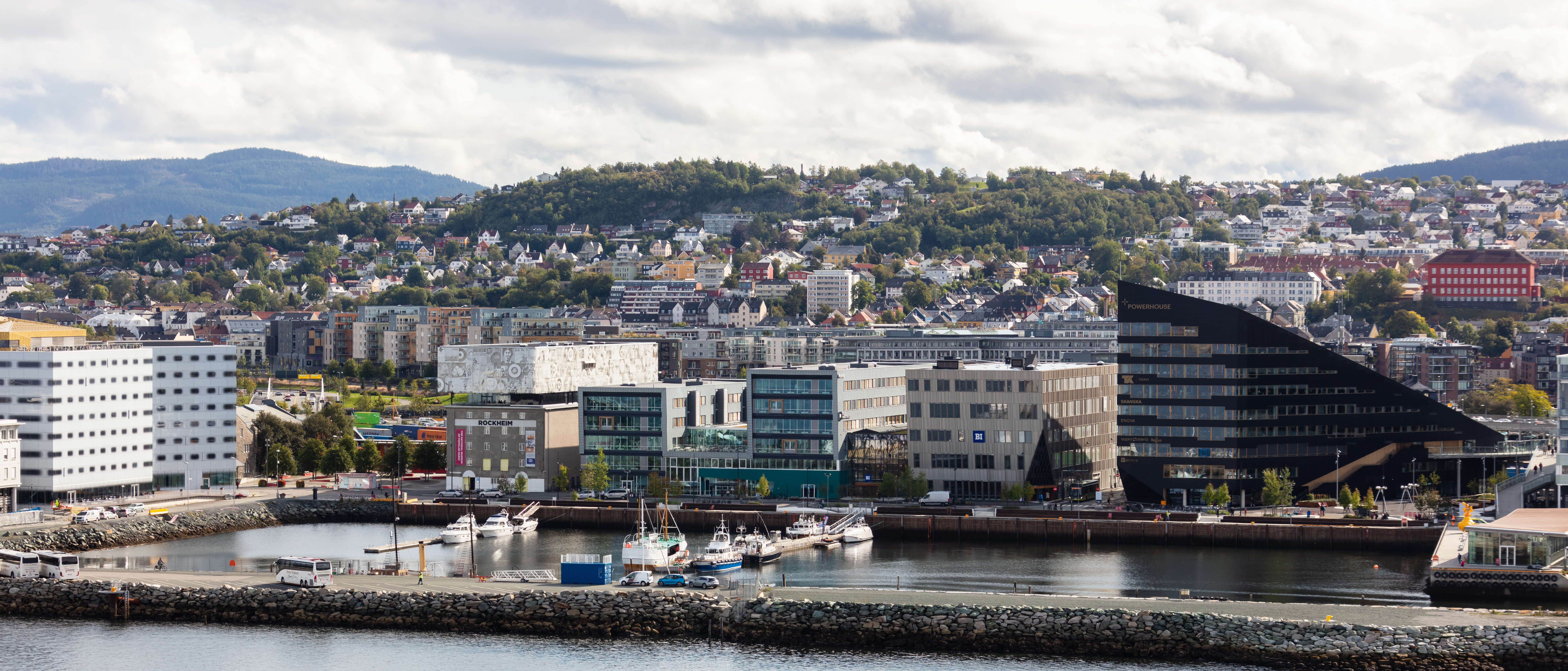
Powerhouse Brattørkaia is an energy-positive building. It is an office building designed to minimise operational energy, maximise the solar energy harnessed, and optimise the experience of both tenants and the public. Powerhouse Brattørkaia produces more energy over its lifetime than it uses, including in its construction phase. Surplus energy is shared with its neighbouring buildings as well as Trondheim's electric bus network through the local micro grid.
Punggol Digital District: A Blueprint for Sustainable Mixed-Use Development
Explore how Singapore's Punggol Digital District (PDD) integrates design innovation, smart systems and collaborative ecosystems through design and planning. In doing so, PDD establishes a replicable blueprint for cities worldwide seeking to address climate challenges while fostering human connection and economic dynamism. [By: Jacqueline Poh, Chief Executive Officer, JTC Corporation, Singapore; and David Tan, Assistant Chief Executive Officer (Development Group), JTC Corporation, Singapore]
❸ Stakeholder Partnerships and Engagement

Regenerative cities are built with and for people. The quality and depth of stakeholder engagements determine whether regenerative intentions translate into sustained outcomes.
Not all engagements are equal. Some regenerative strategies require deep co-creation, some require sustained cross-agency partnership, and others need targeted industry consultation.
Transforming one-off engagements into lasting partnerships requires deep listening and action. Scientific, indigenous, local and creative knowledge all have a place in regenerative cities. Effort is needed to engage widely across diverse stakeholders, gather their inputs, arrive at insights, and close the loop after every stage.
Co-benefits must be communicated in the language of what stakeholders value. Cities must translate technical details differently for residents who value their lived experiences than for industry players who look out for operational efficiencies. Communicating co-benefits according to the needs of each stakeholder can build broader coalitions.
Case Study: The Climate Strong Communities Initiative in New York City, United States
.jpg)
.jpg)
The Climate Strong Communities (CSC) initiative in New York City bridges the gap between systemic climate goals and lived experiences through deeply relational, culturally grounded engagement. Rather than leading with technical risk maps or carbon metrics, the CSC centres residents' own stories, priorities and social networks as the starting point for co-creating resilience. It utilises engagement tools such as a multilingual card game to spark conversations around pairing climate hazards with actionable solutions. Such methods make complex risks comprehensible, especially for youth and non-English speakers.
Integration and Collaboration in Stormwater Resilience
Read an interview with Rohit Aggarwala, former Commissioner of the New York City's Department of Environmental Protection, on New York City's wider efforts to build stormwater and coastal resilience.
❹ Education and Capability Development
Regenerative urbanism demands that city leaders and practitioners think across sectors, disciplines, borders and even generations. Building capacity at every level—from communities to policymakers—make cities more equipped for a regenerative future.
Regenerative literacy must be embedded as continuous practice. Knowledge can be layered across domains, and new knowledge can be integrated into practice. Sustained practice catalyses a broader cultural shift towards regenerative thinking.
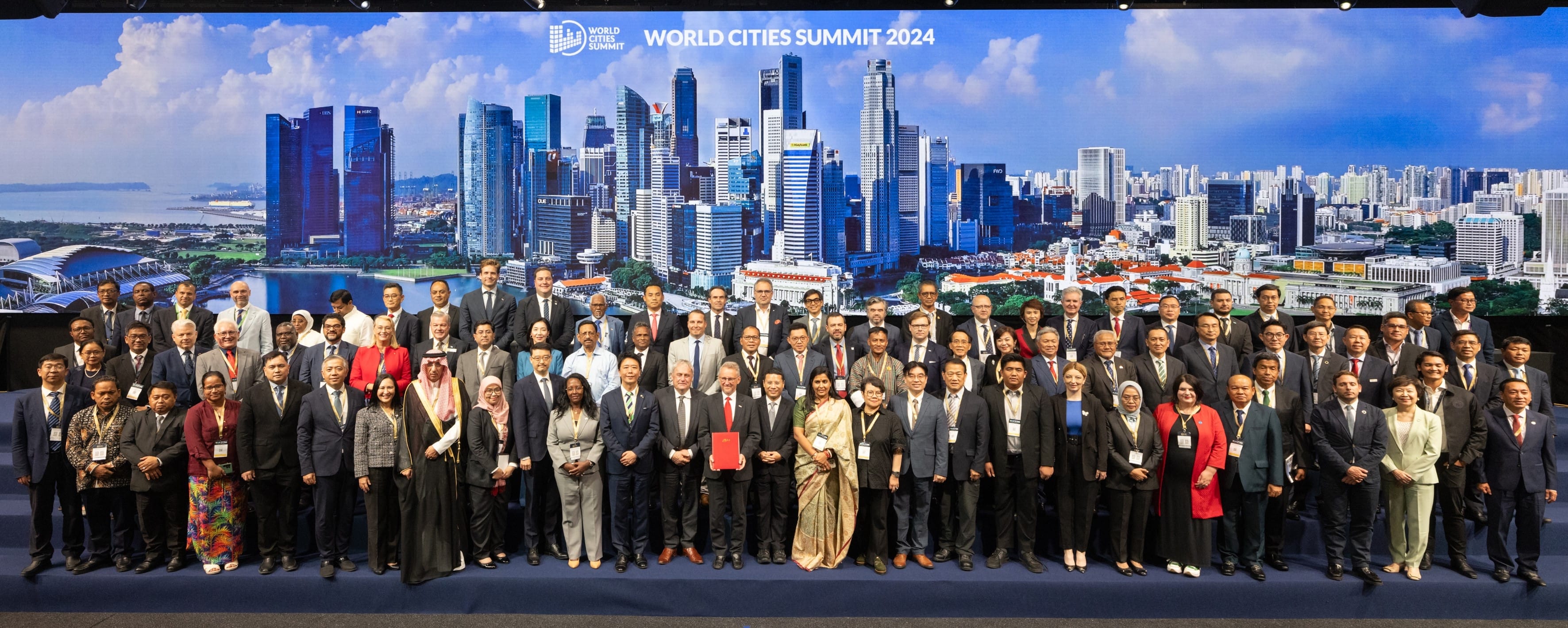
Inter-city networks are valuable learning infrastructure. Collaborative networks such as the City Network for the Lee Kuan Yew World City Prize facilitate peer learning, benchmarking and knowledge transfer across contexts, accelerating adoption of solutions to meet the urgency of the climate crisis.
Capabilities and knowledge must be calibrated to place. This enables capacities to be built up according to local ecologies, community realities and development contexts.
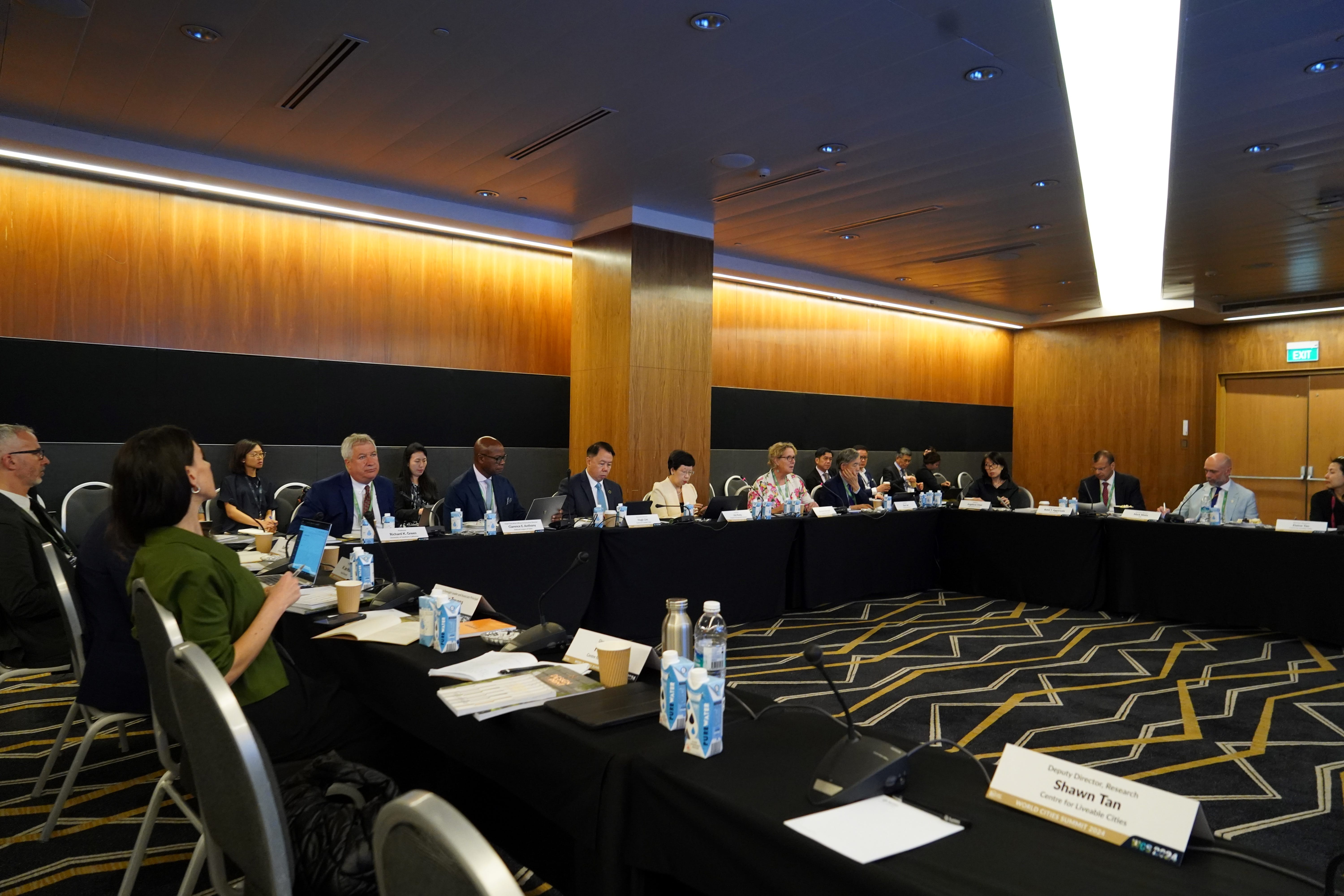
The Story of Place: An Approach to Place-Based Regeneration
Read more about The Regenesis Project's model for capability development that is steeped in one's understanding of place. The model has been applied to Bohol in the Philippines to tackle tourism-related issues. [By: Marianne Amores, Founder, The Regenesis Project]
❺ Science and Technology

Science and technology expand what is possible and shift decision-making from convention towards evidence.
Real‑time technologies can support active optimisation of resource flows. Microclimate sensor networks, smart building energy systems, and integrated urban data platforms monitor across multiple systems and generate feedback loops to continuously optimise resource use.
Science and technology can support the shift towards decision-making that harnesses co-benefits. Artificial intelligence (AI) supported by reliable and locally collected data can bridge the gap in our understanding of co-benefits for the entire urban ecosystem. AI-powered tools can process and synthesise information across previously incompatible data formats and disciplinary boundaries.
Anticipating performance over decades can be made possible. At both building and district scales, computational modelling and lifecycle projections can make the regenerative principle of long-termism a practical capability. Cities can plan for reuse and material recovery over the entire lifecycle, navigating obsolescence and minimising demolition.
Case Study: The SMU Connexion building in Singapore
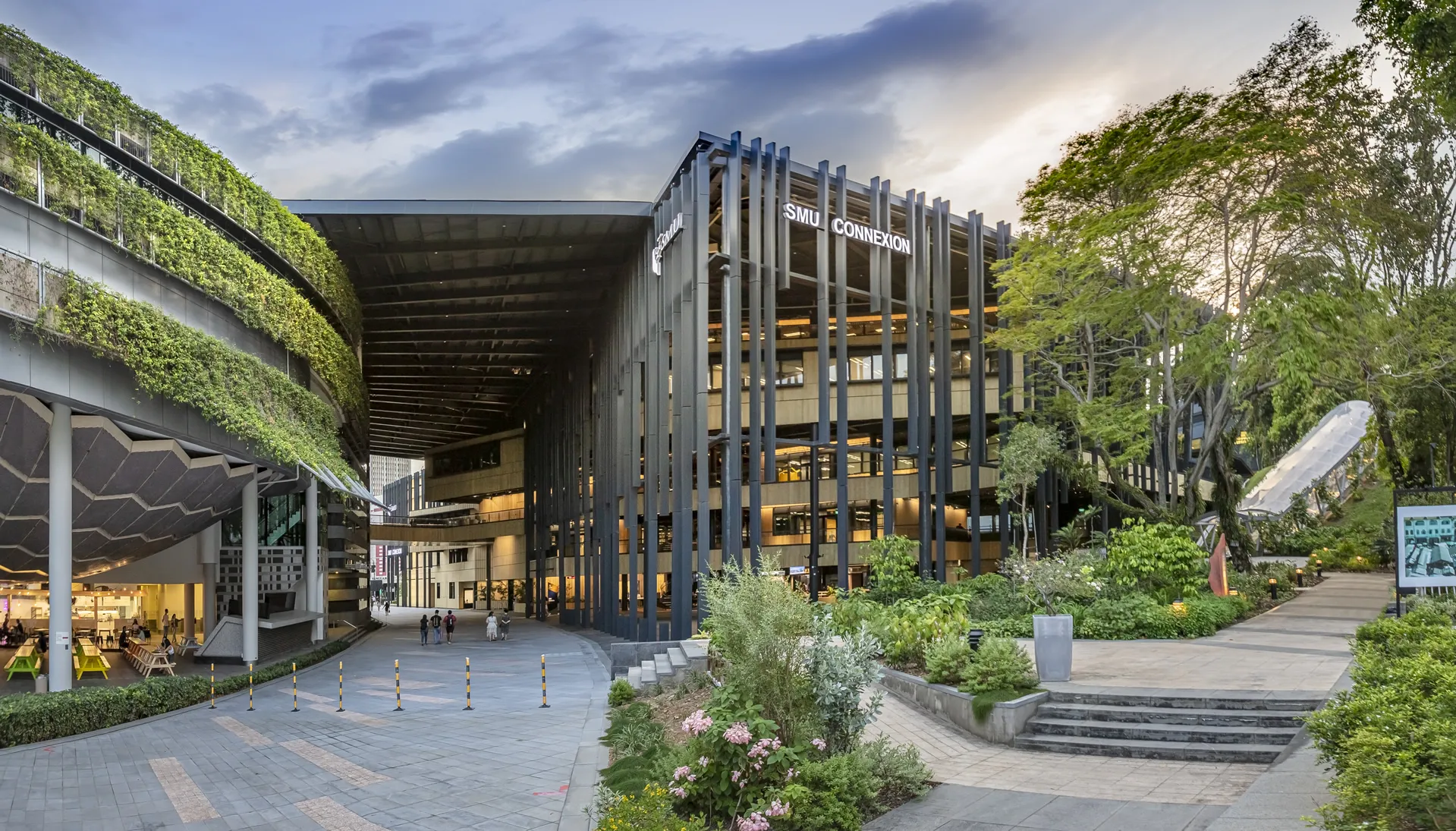
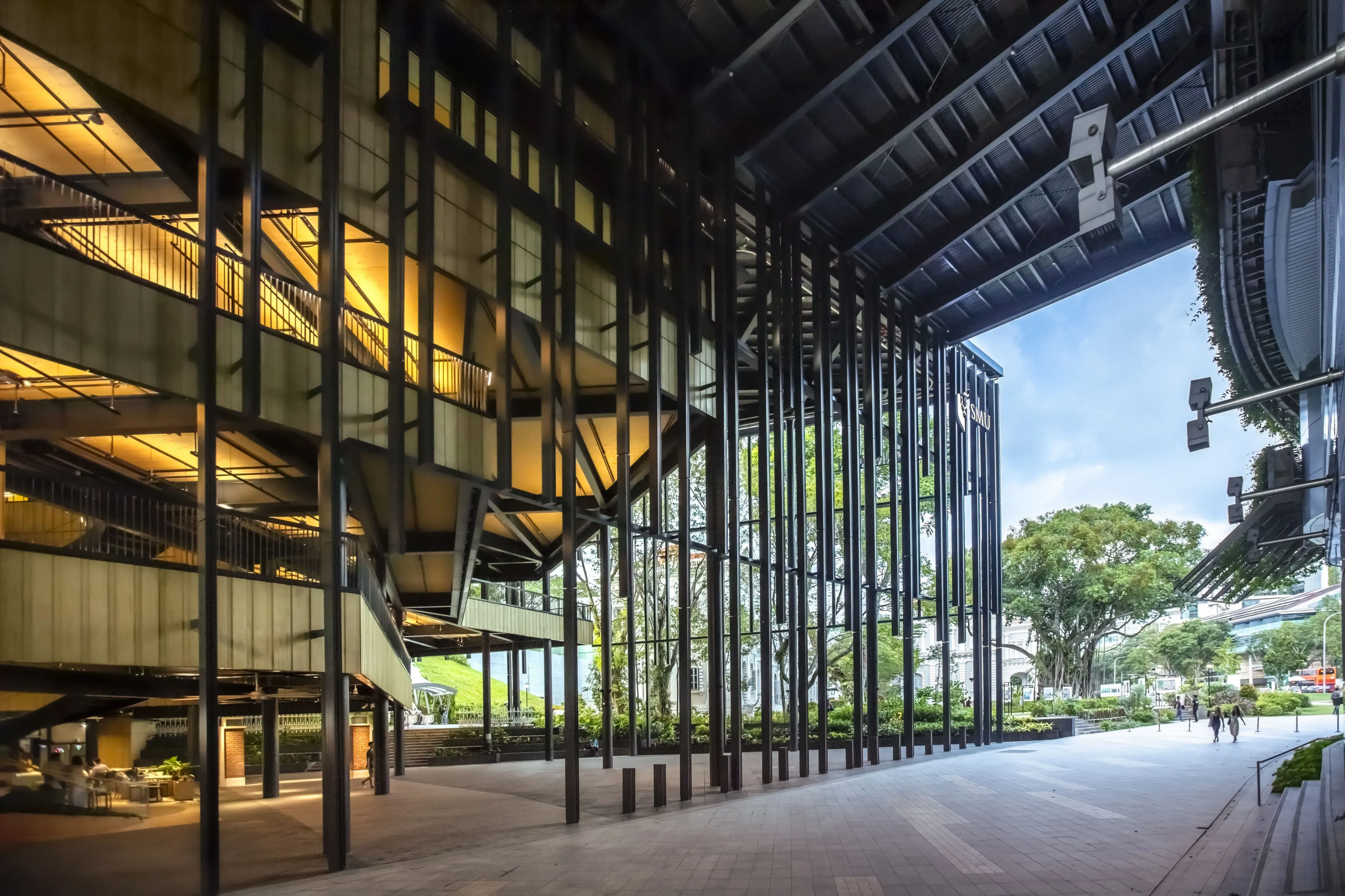
Singapore Management University (SMU) Connexion is a net-zero energy building designed with smart energy management features. These include an operations-centric smart controls system, which integrates building services with networked sensors to minimise energy consumption and maintain indoor comfort, as well as a plug load management system.
The Living Algorithm: How Artificial Intelligence Shapes Regenerative Cities
Explore how leveraging AI at multiple scales is enabling the city to transcend basic sustainability, translating regenerative principles into built reality. [By: Ang Yu Qian, Assistant Professor (Presidential Young Professor), Department of the Built Environment, National University of Singapore (NUS)]
Urban Environmental Modelling for Sustainable Town Design
Explore how the Integrated Environmental Modeller (IEM) simulates the interaction of environmental factors to identify potential hotspots and implement mitigation measures, even before construction starts. [By: Tan Sze Tiong, Chief Sustainability Officer and Group Director of the Building and Research Institute, Housing and Development Board, Singapore]
❻ Finance, Investments and Business Models
Regenerative urbanism is a long-term investment. By ensuring sound financial logic, financing can be unlocked and the efforts sustained over time.
Financial frameworks must recognise the value that regenerative development generates. Reduced flood risk, improved public health, enhanced biodiversity and stronger social cohesion are not soft co-benefits but risk reduction and value creation at scale. Financial systems that recognise the value of ecological and social co-benefits can direct capital more effectively to regenerative projects. Taking a long-term view of capital returns will unlock financing for regenerative cities.
Legal and regulatory frameworks must align. Taxonomies related to resilience, liveability and resource optimisation outcomes must be updated. This will enable a supportive economic environment, where procurement, policy, regulatory codes and financial incentives can evolve in tandem.
Transition financing creates pathways to regenerative cities. Regenerative transition finance can enables projects to do more good, maximise co-benefits, adopt an environment-centric approach and establish circular resource flow. Blended financing from governments, development banks, and the private sector can enable this pathway.
Case Study: The Financing Asia’s Transition Partnership by the Monetary Authority of Singapore
The Financing Asia’s Transition Partnership (FAST-P) is a Singapore-led blended finance initiative that aims to mobilise up to US$5 billion in collaboration with public, private and philanthropic sector partners to de-risk and finance green and transition projects in Asia. The Singapore Government has pledged up to US$500 million as concessional capital, to match dollar-for-dollar other concessional capital from partners. This combined pool of concessional capital will be used to crowd in commercial capital and other sources of finance to accelerate capital flows to support Asia’s green transition.
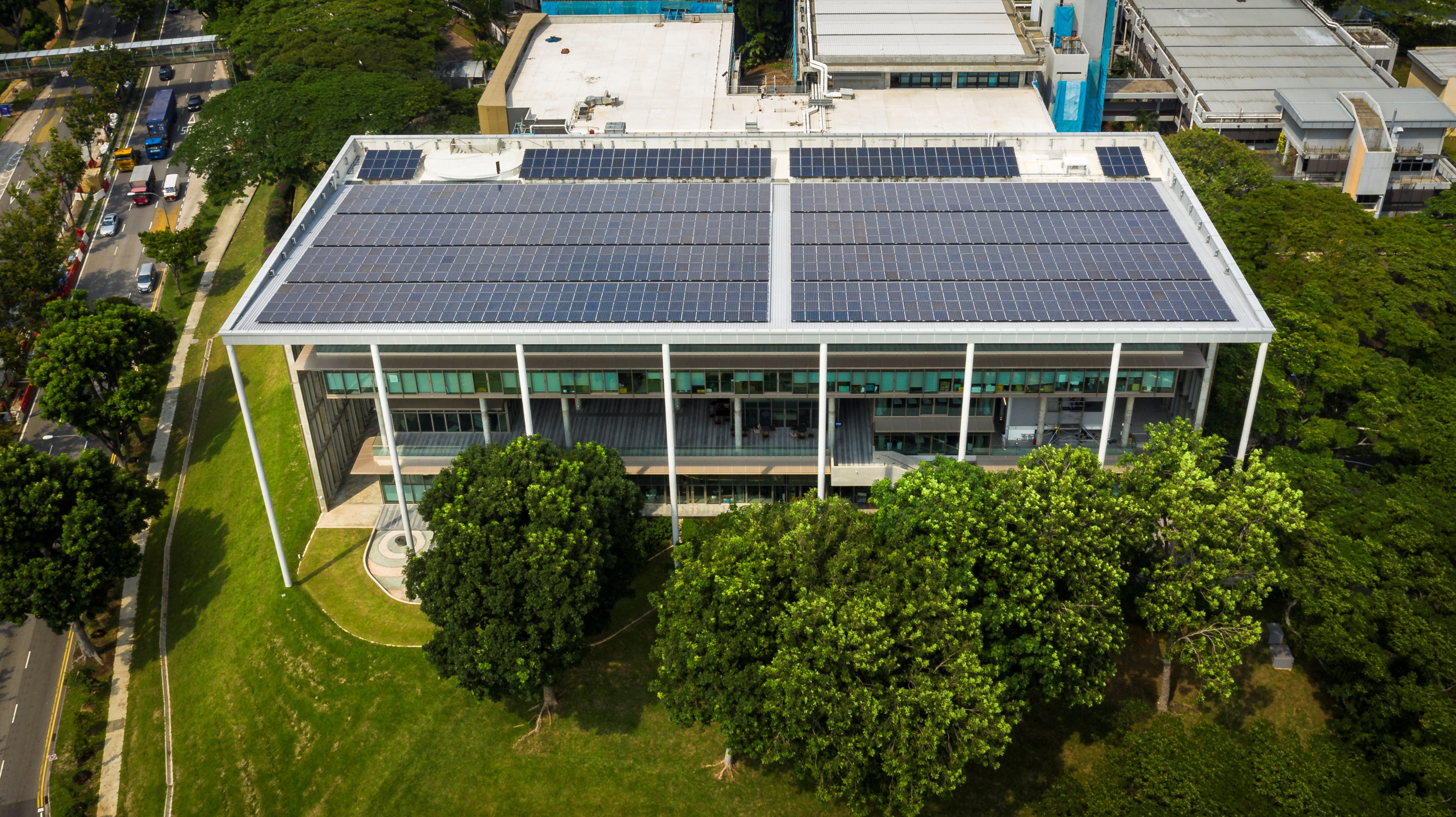
Applying the Integrated Return on Investment (IROI) framework, the SDE4 Net-Zero building at NUS produced an IROI of S$2.32 per dollar of investment (National University of Singapore)
Case Study: The Integrated Return on Investment Framework by the National University of Singapore's Sustainable and Green Finance Institute
Explore the Integrated Return on Investment (IROI) Framework, which offers holistic valuation of economic, environmental, social and governance outcomes, going beyond traditional financial and economic results to capture intangible benefits and externalities. [By: Zhang Weina, Associate Professor, NUS]
❼ Measurement and Monitoring Systems

What gets measured gets managed. Good tracking systems allow cities to see the benefits they are generating, enable accountability for interventions made and generate feedback loops.
Integrated data systems can give planners a holistic view of the city. Such systems should bring together resilience, liveability and resource optimisation outcomes via shared platforms and common indicators. With good data governance through a collaborative and coordinated approach, cities can benefit from a fuller assessment of co-benefits, capture harnessed synergies, strengthen accountability and accelerate learning and knowledge transfer.
Measurement is key for feedback. Through longitudinal tracking, progress and performance in generating co-benefits can be quantified with actual data. The regenerative city learns what is working, corrects what is wrong and builds evidence for future investment.
Good measurement systems give contextual meaning. Common indicators enable benchmarking, peer learning and knowledge transfer. Place-based indicators then reflect local urban, ecological and social conditions that affect the regenerative capacity of the city.
Shenzhen as a Test-bedding City: How Low-Carbon Innovation Generates Urban Co-benefits
Explore how measurement and monitoring has enabled Shenzhen to move away from treating innovation as a collection of stand-alone pilots to, instead, embed experimentation into how the city plans, governs and operates. [By: Shan Liang, Director, Shenzhen Urban Planning and Land Resource Research Center]
Cities Can Lead the Climate Fight—But Only If They Measure, Plan and Build Regeneratively
Even as global emissions continue to grow, the emissions of 72% of C40 cities are on a downward trend. Discover how C40's frameworks for measurement and inter-city collaboration support cities in tackling the climate crisis. [By: Mark Watts, Executive Director, C40 Cities]
While each enabler pertains to a different domain expertise, underpinning all is the need for closer cross-domain collaboration. Policy and governance, design and planning, stakeholder partnerships and engagement, education and capability development, science and technology, finance, investments and business models, and measurement and monitoring systems are critically interdependent and all must progress in tandem to drive regenerative change.
Download Chapter 2 PDF [PDF, 2.23 MB] (opens in new tab)
Download Full Publication PDF [PDF, 29.60 MB] (opens in new tab)