
Publication Op-eds
Shenzhen as a Test-Bedding City: How Low-Carbon Innovation Generates Urban Co-Benefits
14 June 2026
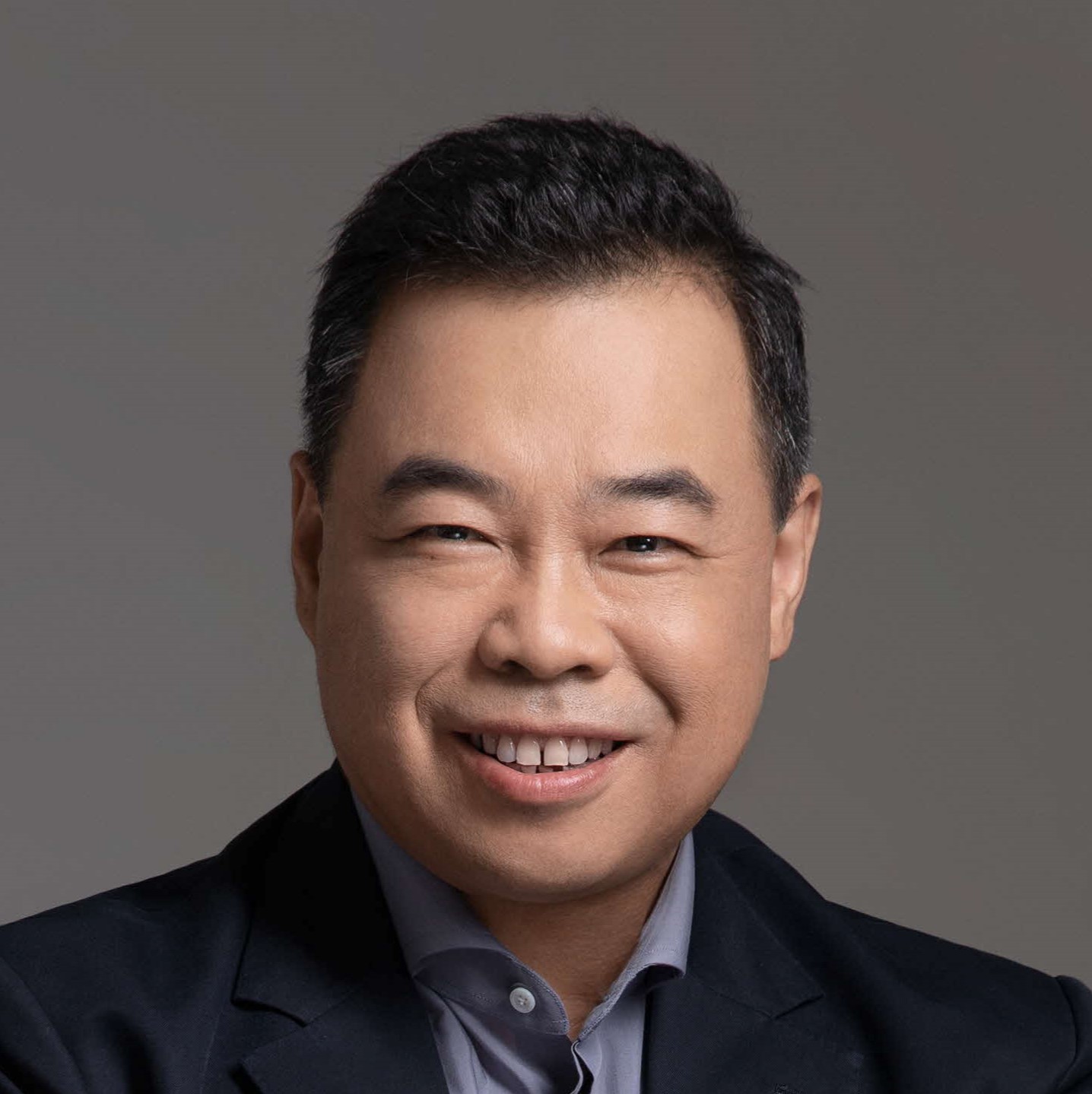
By Shan Liang Director, Shenzhen Urban Planning and Land Resource Research Center
Over time, Shenzhen has moved away from treating innovation as a collection of stand-alone pilots. Instead, experimentation has become part of how the city plans, governs and operates.— Shan Liang
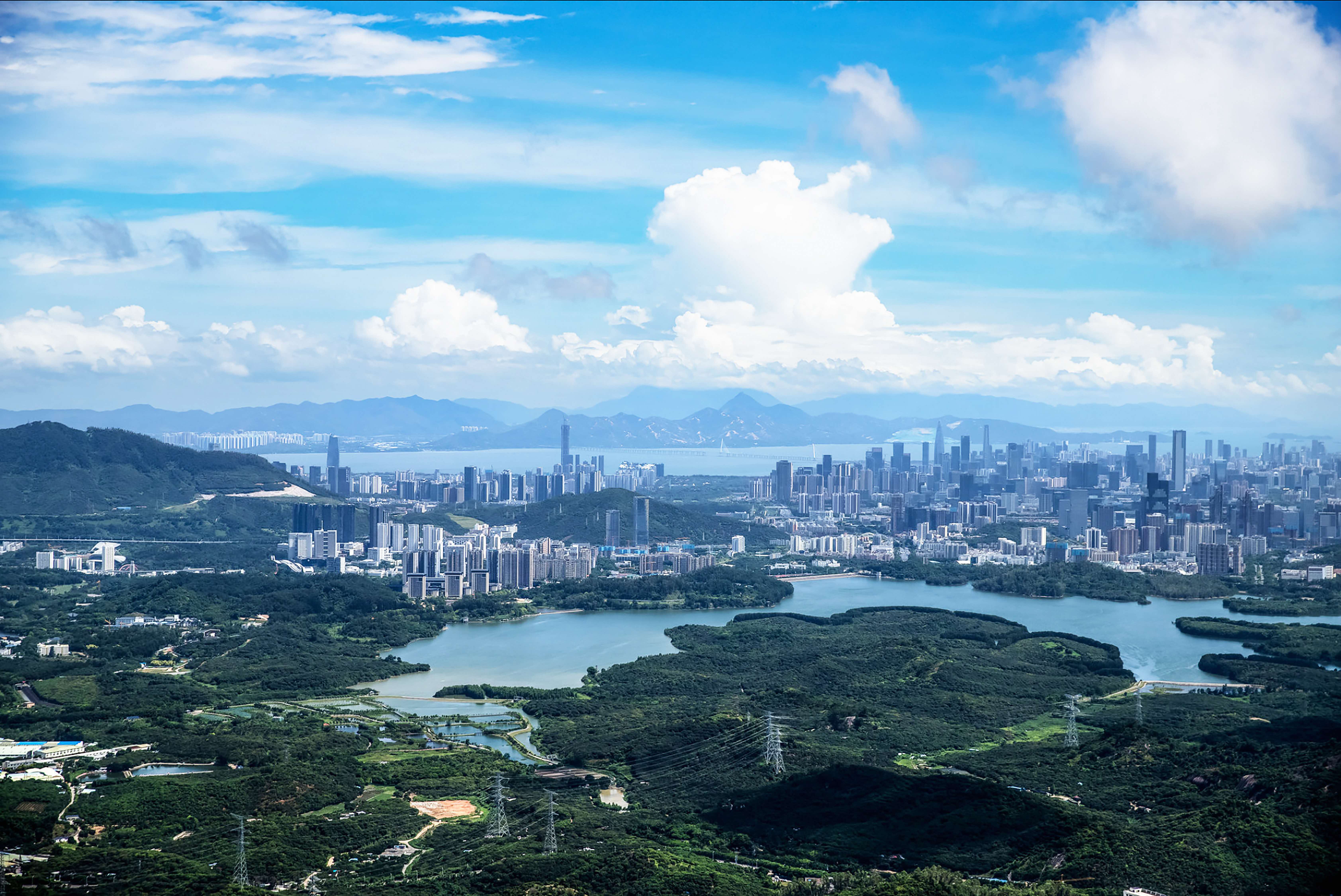
As cities push ahead with low-carbon transitions, a familiar tension keeps resurfacing. Cutting emissions is still widely seen as something that competes with economic growth or everyday urban vitality. In many cases, this perception—not technology—has been the real brake on action. That is why “test-bedding cities” matter. They are places where climate policies and technologies are not discussed in the abstract, but tested in daily urban life and adjusted as cities learn what actually works.
Shenzhen is one such place. Over time, the city has moved away from treating innovation as a collection of stand-alone pilots. Instead, experimentation has become part of how the city plans, governs and operates. What has emerged is not a single showcase project, but a pattern of learning through practice—trying things early, refining them and scaling them once they prove viable.
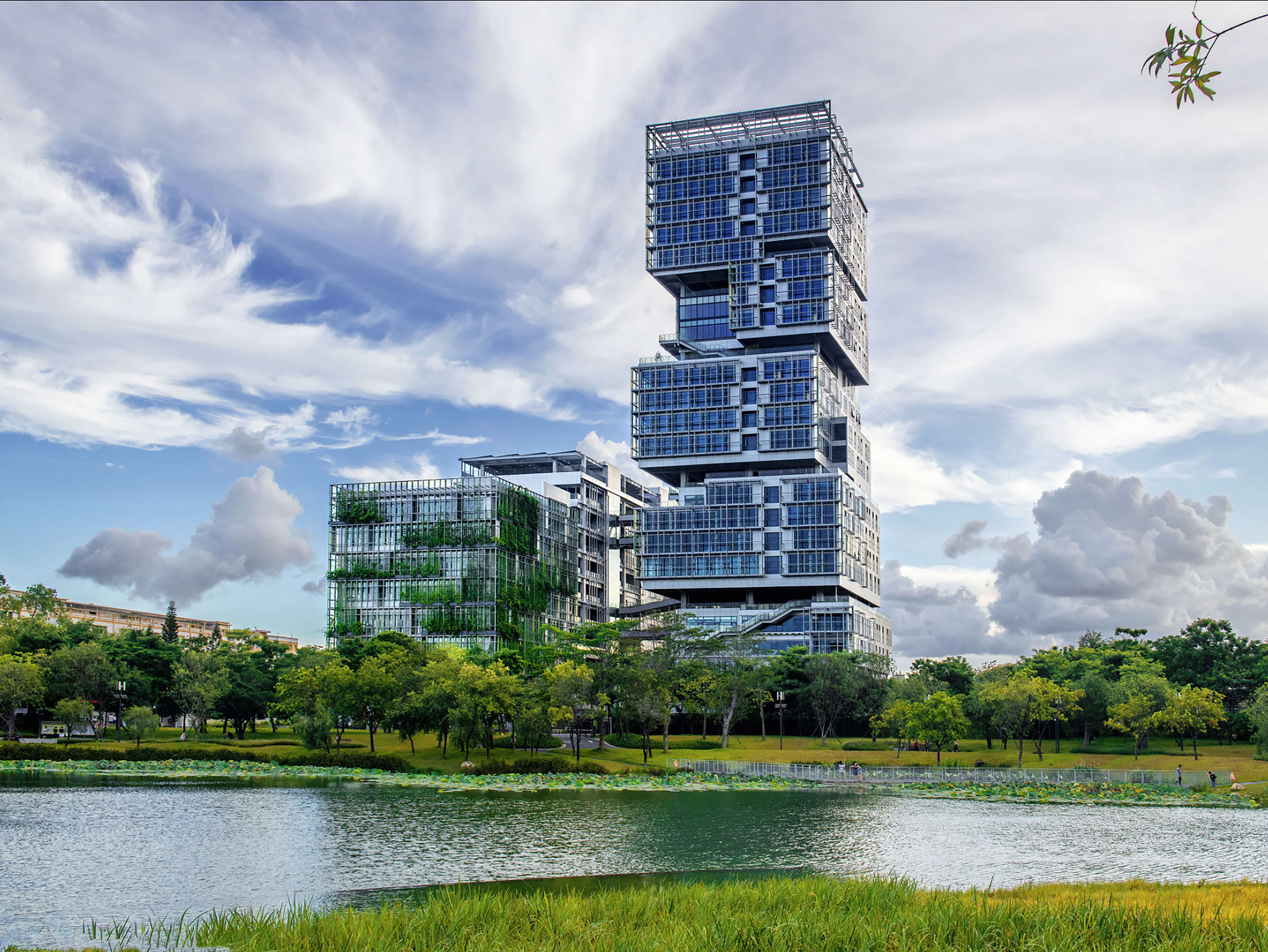
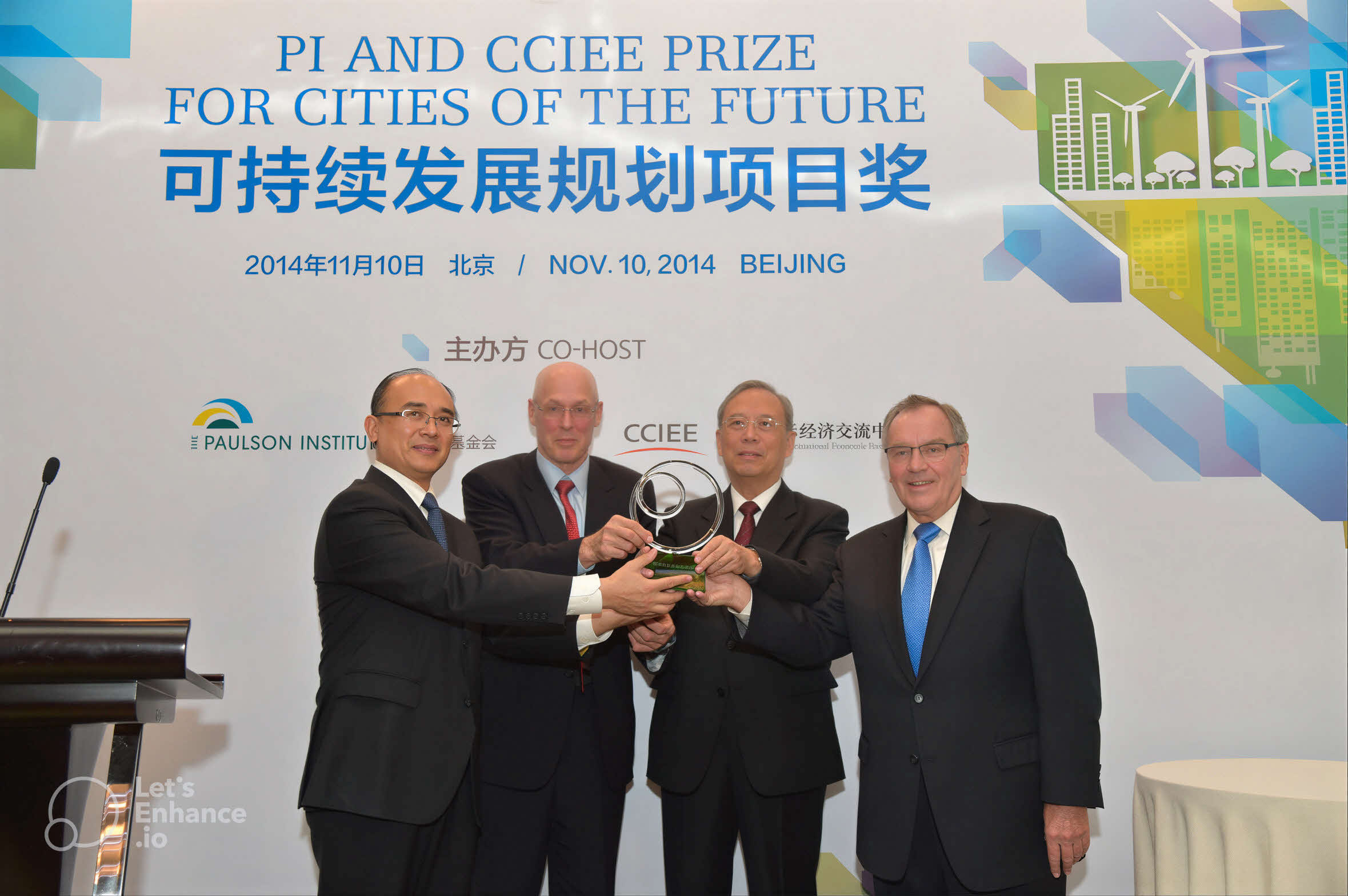
This approach can be traced back to one of Shenzhen's earliest low-carbon initiatives: the Shenzhen International Low Carbon City. Launched in 2012 under the China–EU cooperation on sustainable urbanisation, it was never intended as a technology display zone. From the outset, it was conceived as a city-scale exploration of how planning, infrastructure and urban systems could work together to reduce emissions. At a time when low-carbon urbanism was still largely theoretical, Shenzhen chose to experiment in real space, under real constraints. That willingness to move early—and accept uncertainty—later drew international attention, including recognition from the Paulson Institute for its contribution to low-carbon urban planning.
From there, experimentation extended into institutions. Shenzhen's local emissions trading scheme, launched in 2013, was among China's earliest carbon-market pilots. What made it notable was not just its timing, but its scope. By bringing buildings and transport into carbon governance, the scheme turned emissions reduction into a practical, city-wide concern. More importantly, it allowed rules to evolve through use, showing how climate policy can function as a learning system rather than a fixed regulatory package.
Shenzhen’s local emissions trading scheme in operation, illustrating how carbon governance is embedded into everyday market mechanisms at the city scale. (Shenzhen Urban Planning and Land Resource Research Center)
The city's test-bedding character is perhaps most visible in its transport transition. Shenzhen became the first major metropolis to fully electrify its public bus fleet. The immediate benefits—cleaner air and lower emissions—were clear. Over time, however, the deeper impact was economic: as a stable urban application scenario, it helped to anchor a competitive electric-vehicle and clean-technology ecosystem. Similar dynamics can be seen in near-zero carbon communities (like the Huaqiangbei Ganquan Road Near-Zero Carbon Community), industrial parks and public facilities, where emissions reduction has gone hand in hand with lower energy costs and improved liveability. Investments in sponge-city infrastructure and circular systems, including waste-to-energy facilities, have further strengthened resilience in a dense urban context.
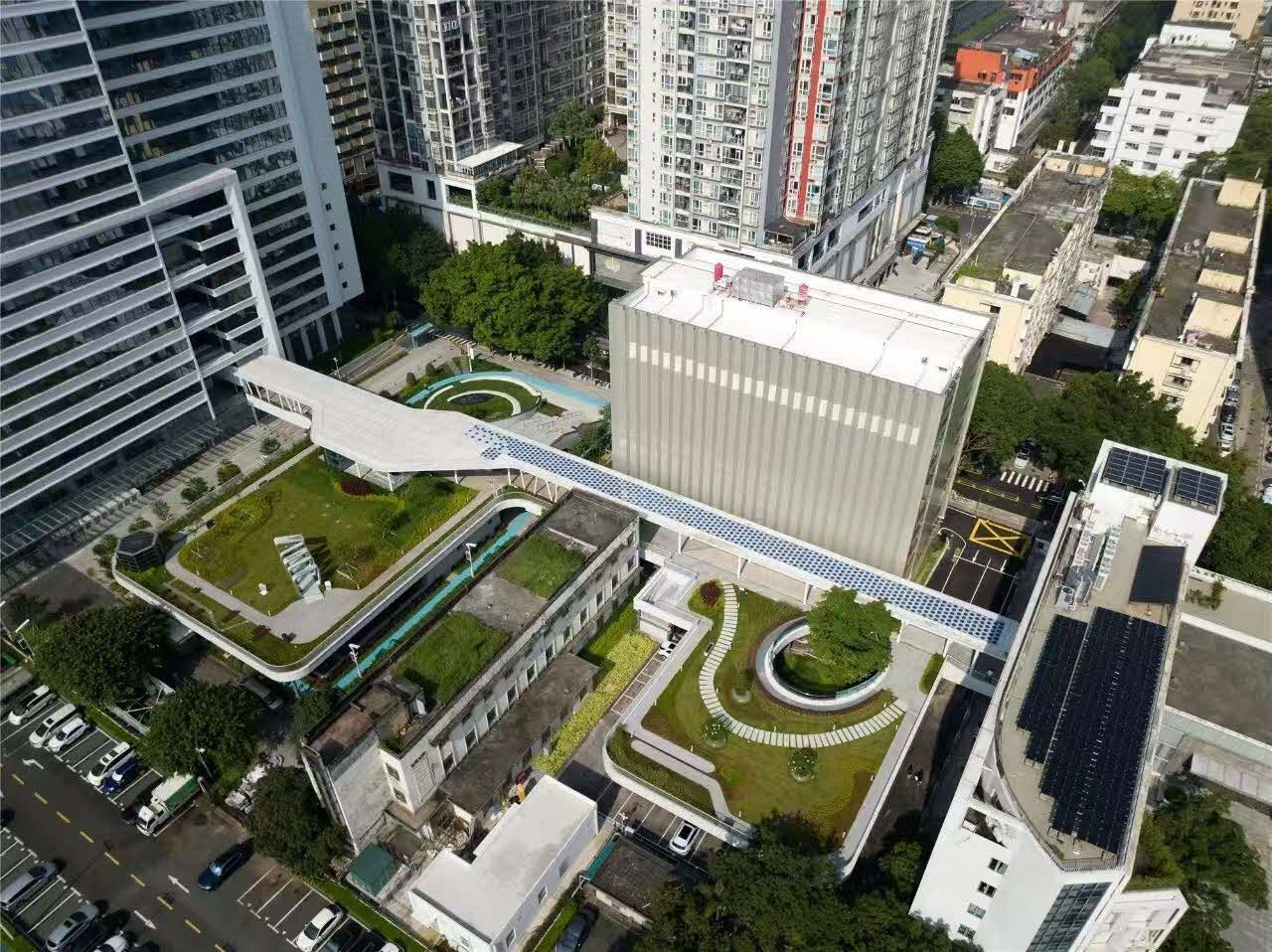
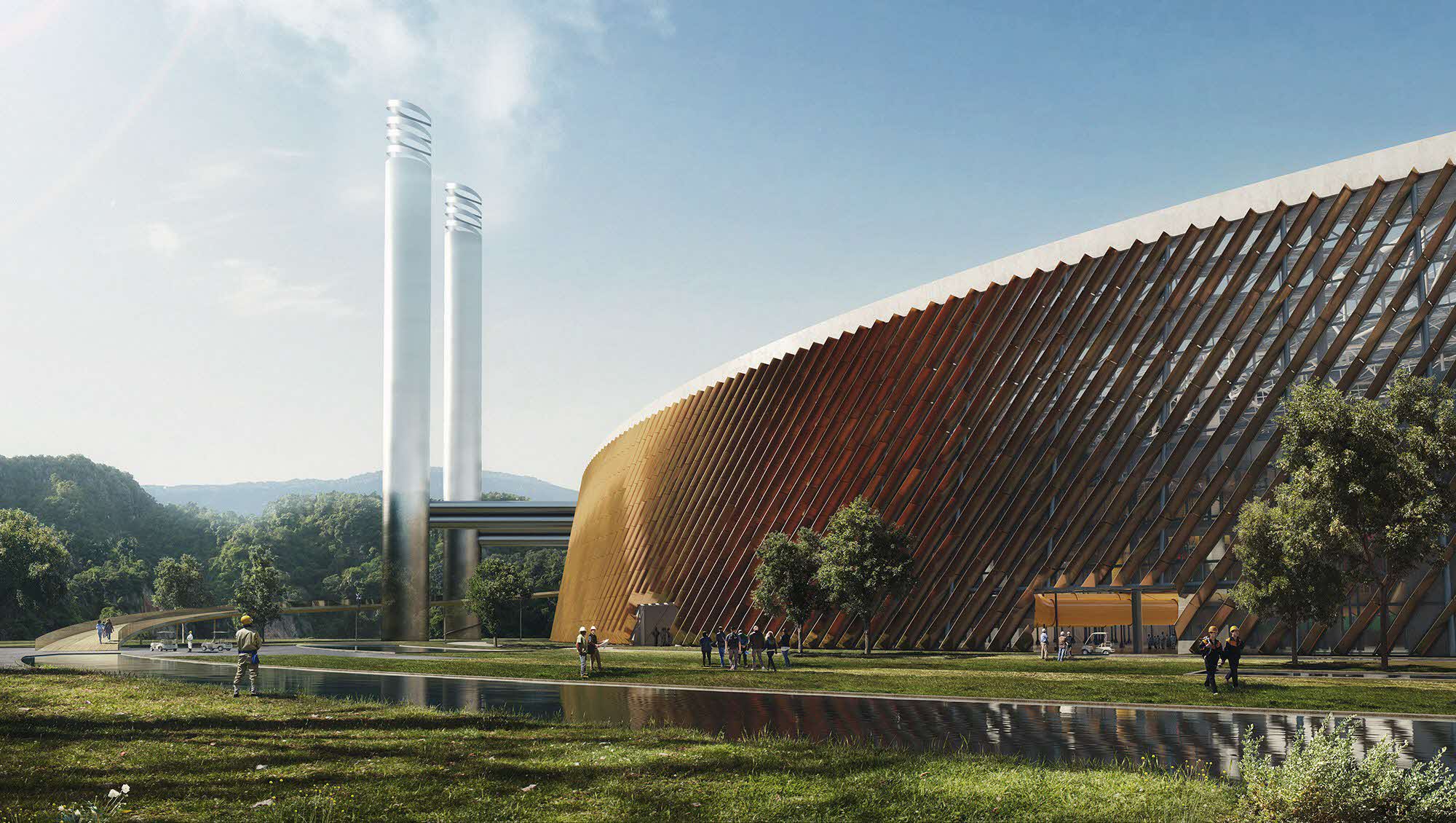
Shenzhen advances a low-carbon transition through coordinated urban systems—integrating emissions reduction into everyday operations while strengthening resilience and circular infrastructure—at the Huaqiangbei Ganquan Road Near-Zero Carbon Community (top) and other industrial parks and public facilities (bottom). (Shenzhen Urban Planning and Land Resource Research Center)
Taken together, these experiences have shaped how Shenzhen understands urban transformation. Rather than isolated measures, they form an interconnected way of governing change. Out of this accumulated practice, the city has articulated the Urban Index of Shenzhen (UIS). The UIS is not simply an indicator set. It is an attempt to turn lived experience into a usable governance tool—one that helps make sense of how policy experimentation, system performance and everyday urban outcomes interact. In that sense, the UIS represents a contribution from Shenzhen to the wider urban community: a framework grounded in practice, and intended to be shared, adapted and learned from by other cities navigating low-carbon transitions.
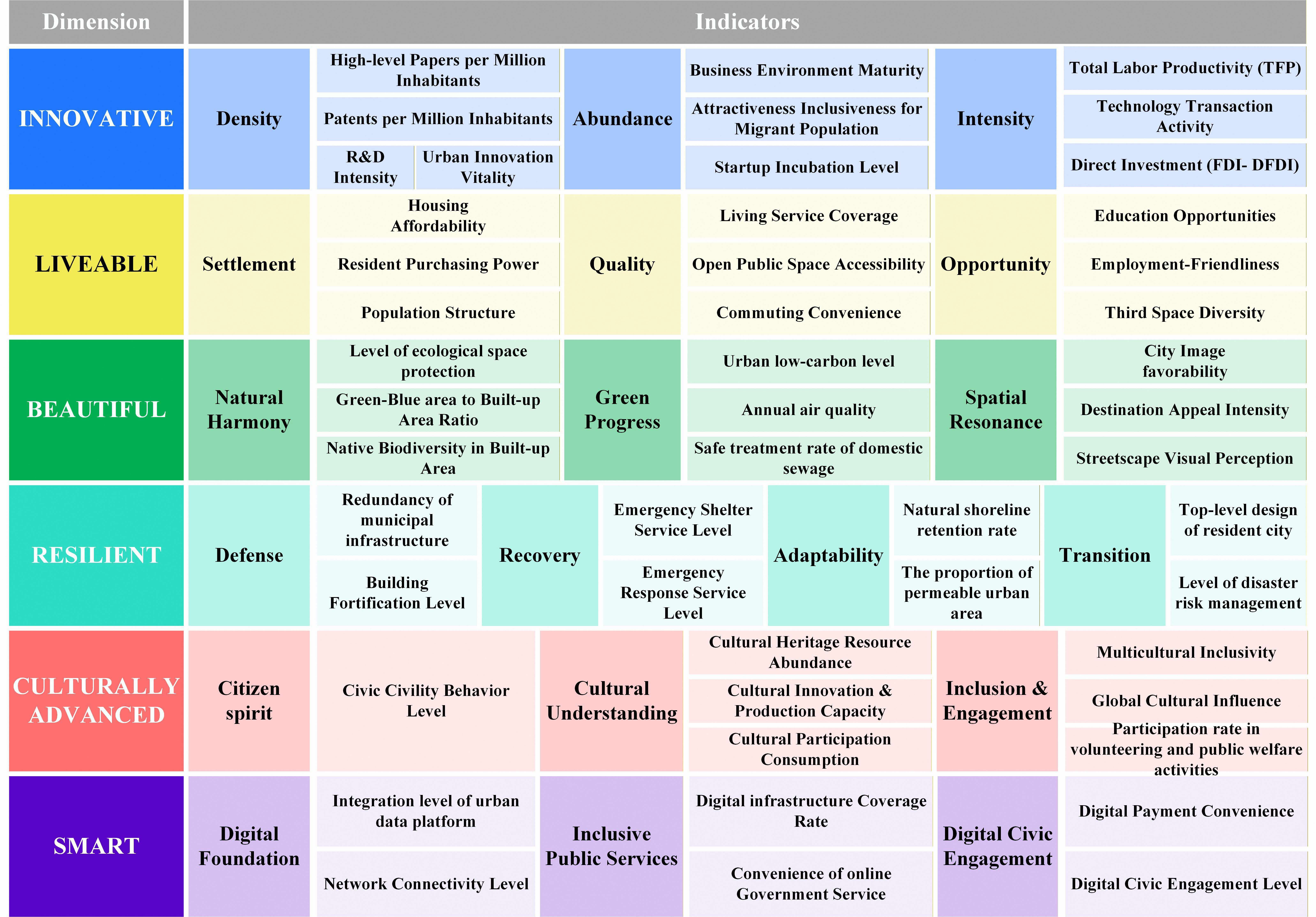
The UIS as a practical governance interface. The framework organises complex urban practice into six interrelated dimensions, supporting interpretation, dialogue and communication across diverse urban stakeholders. (Shenzhen Urban Planning and Land Resource Research Center)