
Publication Op-eds
Regenerative Design: Delivering Co-Benefits through Integrated Development
14 June 2026
By Sowmya Parthasarathy Fellow, Urban Design and Masterplanning, Arup
Regenerative design is nature-led, systemic and equitable. It strengthens the relationship between people and the natural world while ensuring benefits are shared fairly across society.— Sowmya Parthasarathy

Regenerative design is reshaping the way cities think about their futures. For decades, sustainability has been framed through the language of limits: cutting emissions, reducing waste and minimising damage. Regenerative design demands a different approach. It challenges cities to give back more than they take—to restore ecosystems, enrich biodiversity and create better places where human and natural systems thrive together.
At the heart of this perspective is a radical premise: take humans out of the centre of the equation, and design cities not merely as machines for human convenience but as living systems embedded within and dependent on wider ecological networks.
Building Scale: Regenerative Design through Retrofit at One Triton Square
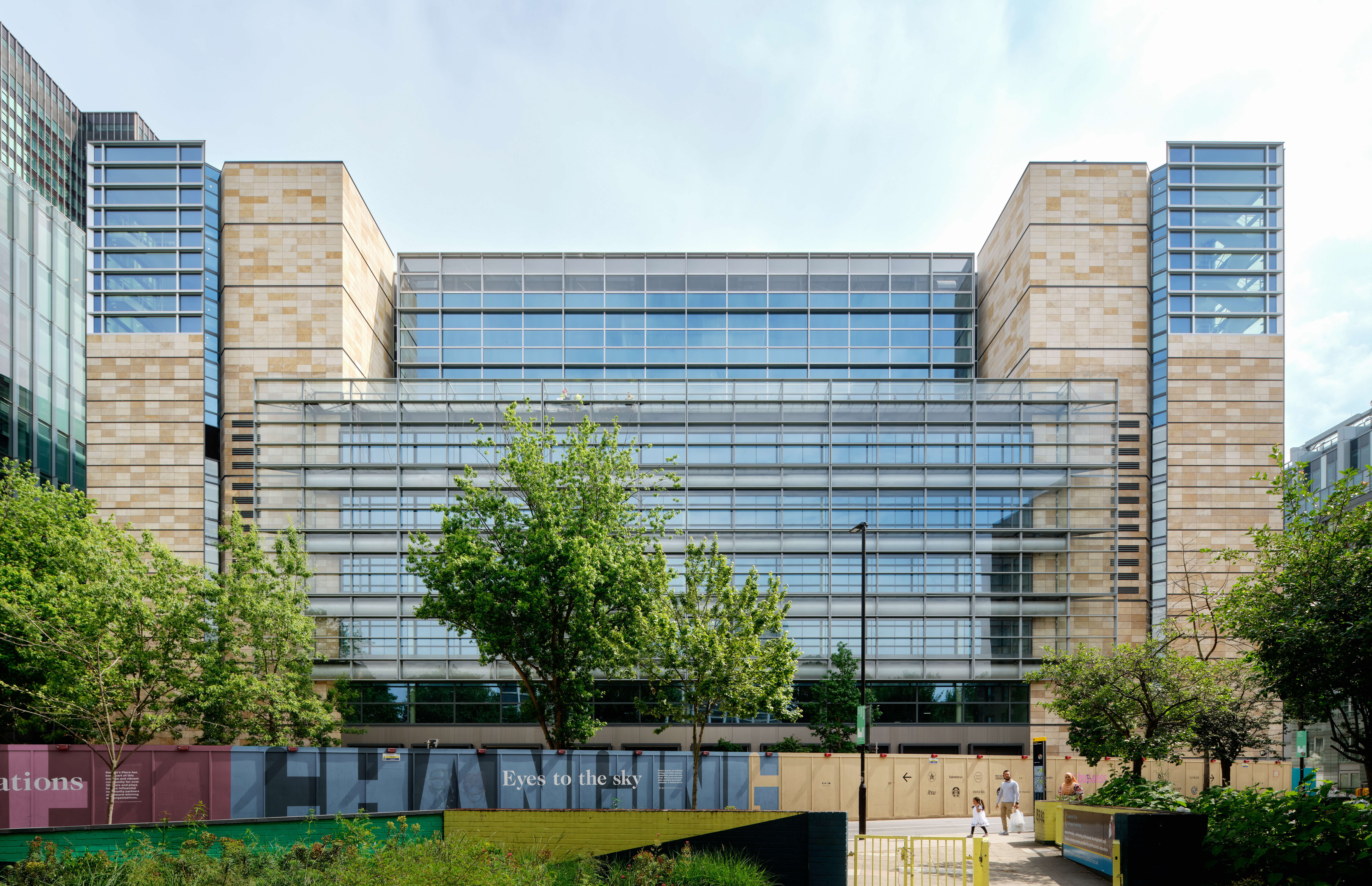
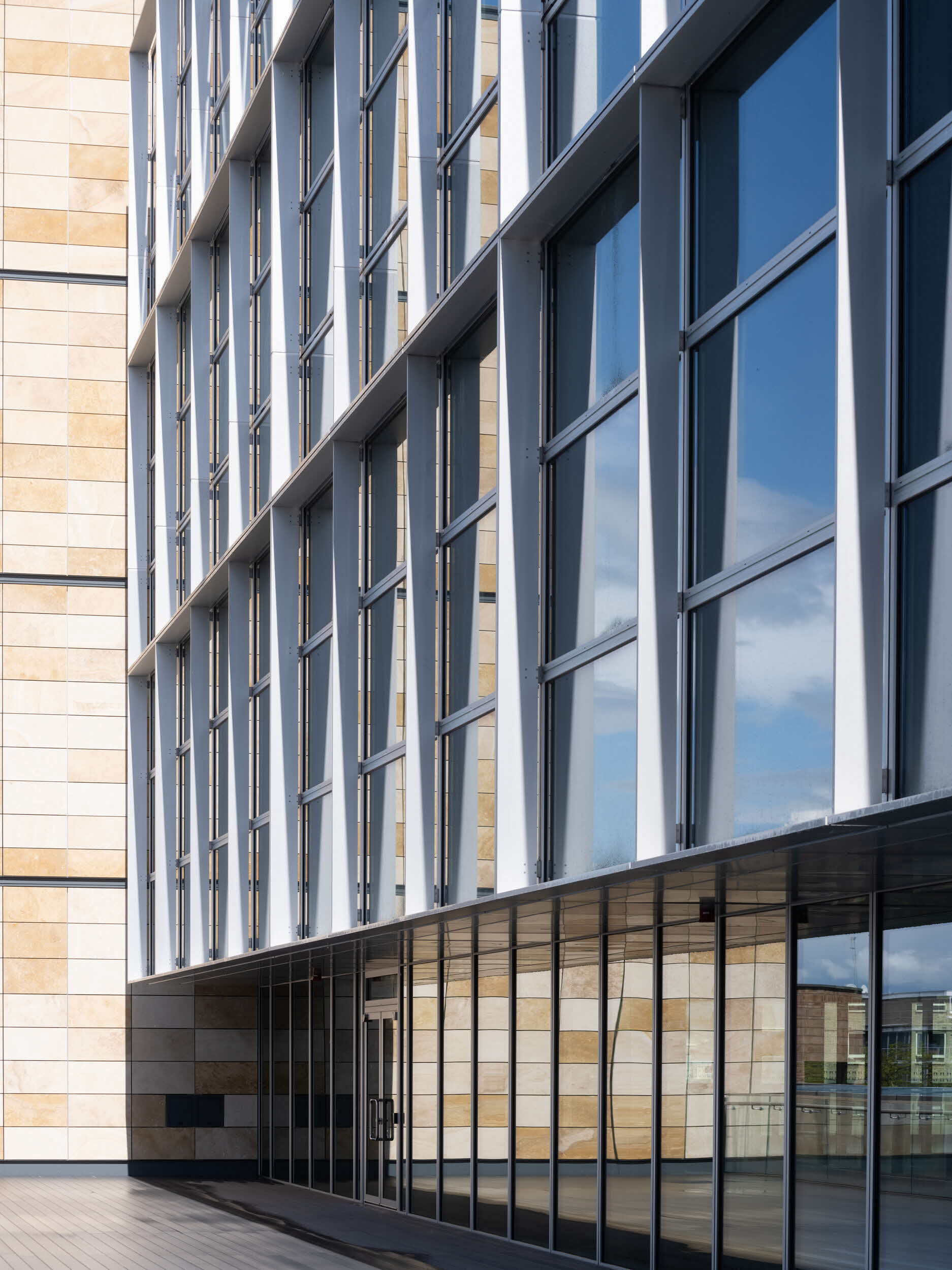
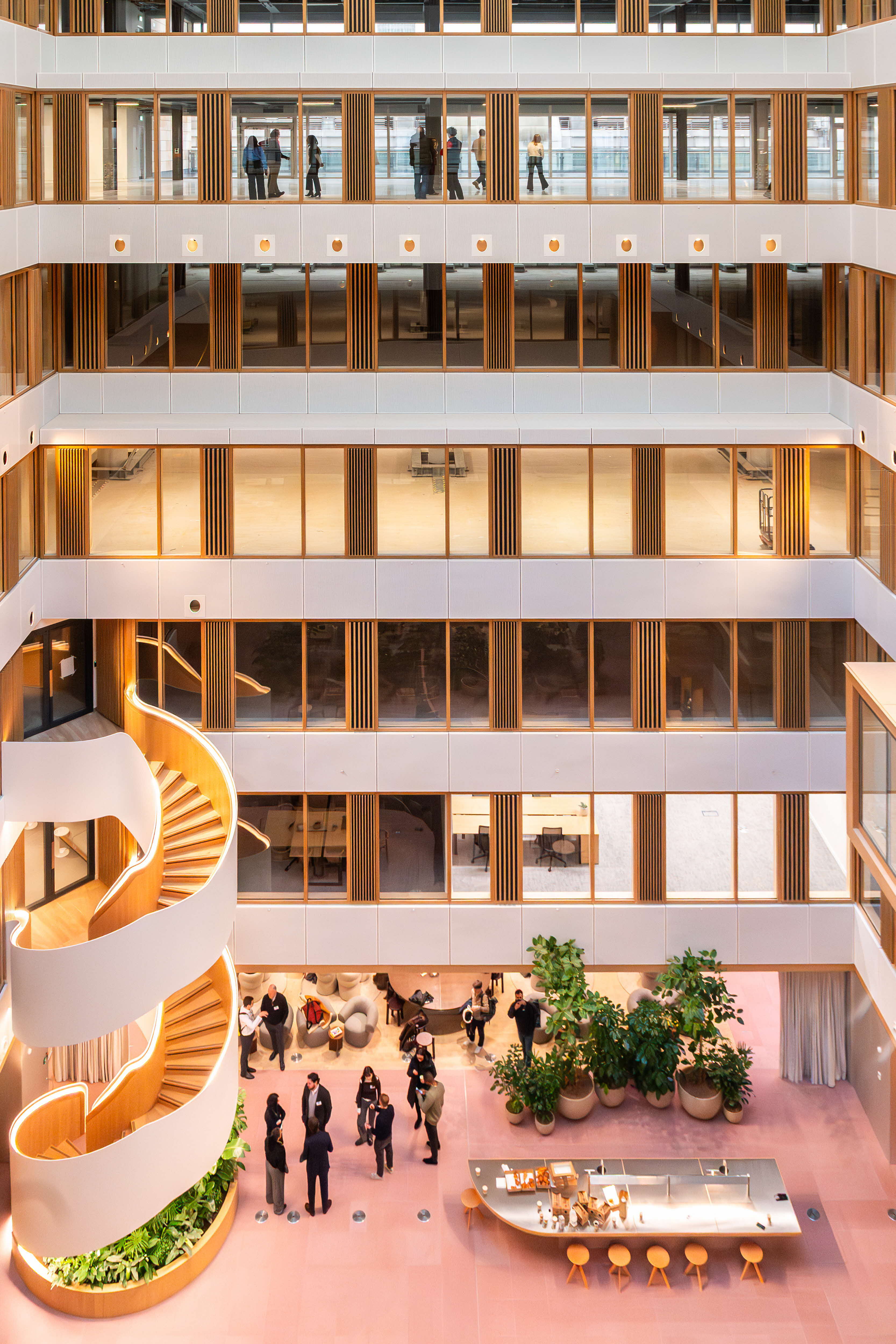
The refurbishment of One Triton Square in London, from office building to science lab, demonstrates how regenerative design translates into meaningful building-scale design decisions. Rather than demolish and rebuild, the Arup design team chose to reuse most of the existing structure, façade and core elements. This deep retrofit approach resulted in a dramatic reduction in carbon. A saving of 40,000 tonnes of CO₂e was achieved—more than what the building will emit in operation over 20 years—a clear demonstration of how circular economy principles can transform the environmental impact of a building while still meeting contemporary performance standards.
One Triton Square also offers an important caution against “carbon tunnel vision”. While carbon reduction was one of the most compelling achievements of One Triton Square, the building also achieved multiple benefits through its focus on user well-being, air quality and landscape integration, thinking systemically to drive better, more resilient and more integrated design.
City Scale: A Nature-Led Urban Drainage Plan for Shanghai
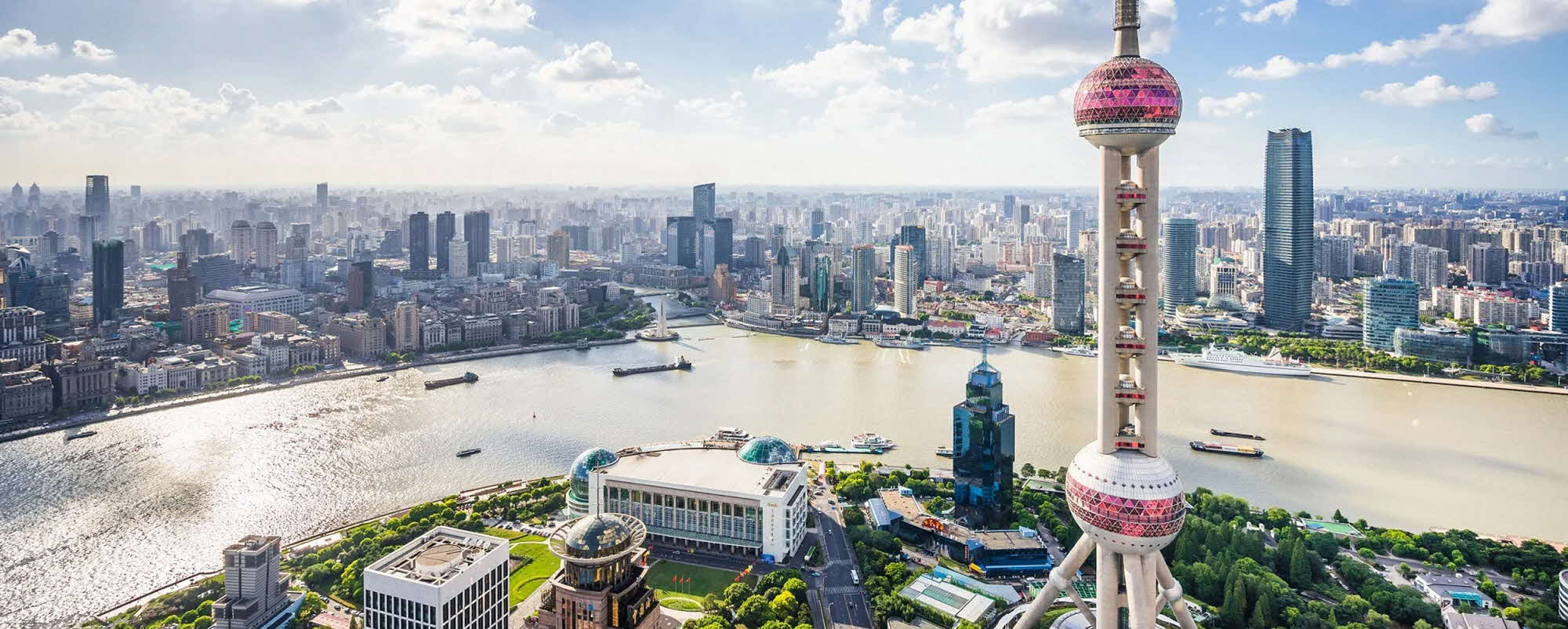
At the urban scale, Shanghai's Urban Drainage Plan shows how cities can adopt regenerative principles to tackle large city-scale challenges such as the growing impact of climate change-related flood risk.
Historically dependent on concrete channels and “grey” drainage infrastructure, the city shifted its emphasis in the new plan it developed with Arup to utilise nature-based solutions. “Blue-green” interventions such as wetlands, rain gardens, vegetated swales and naturalised waterways complemented, and in some cases replaced, engineered infrastructure. Beyond cutting carbon and cost, these investments also improved water quality, reduced urban heat, increased biodiversity and created green open spaces for the enjoyment of people. Grey infrastructure such as storage tanks, pumping stations and deep tunnels remained an important part of the solution and were able to be strategically resized and optimised in the new plan.
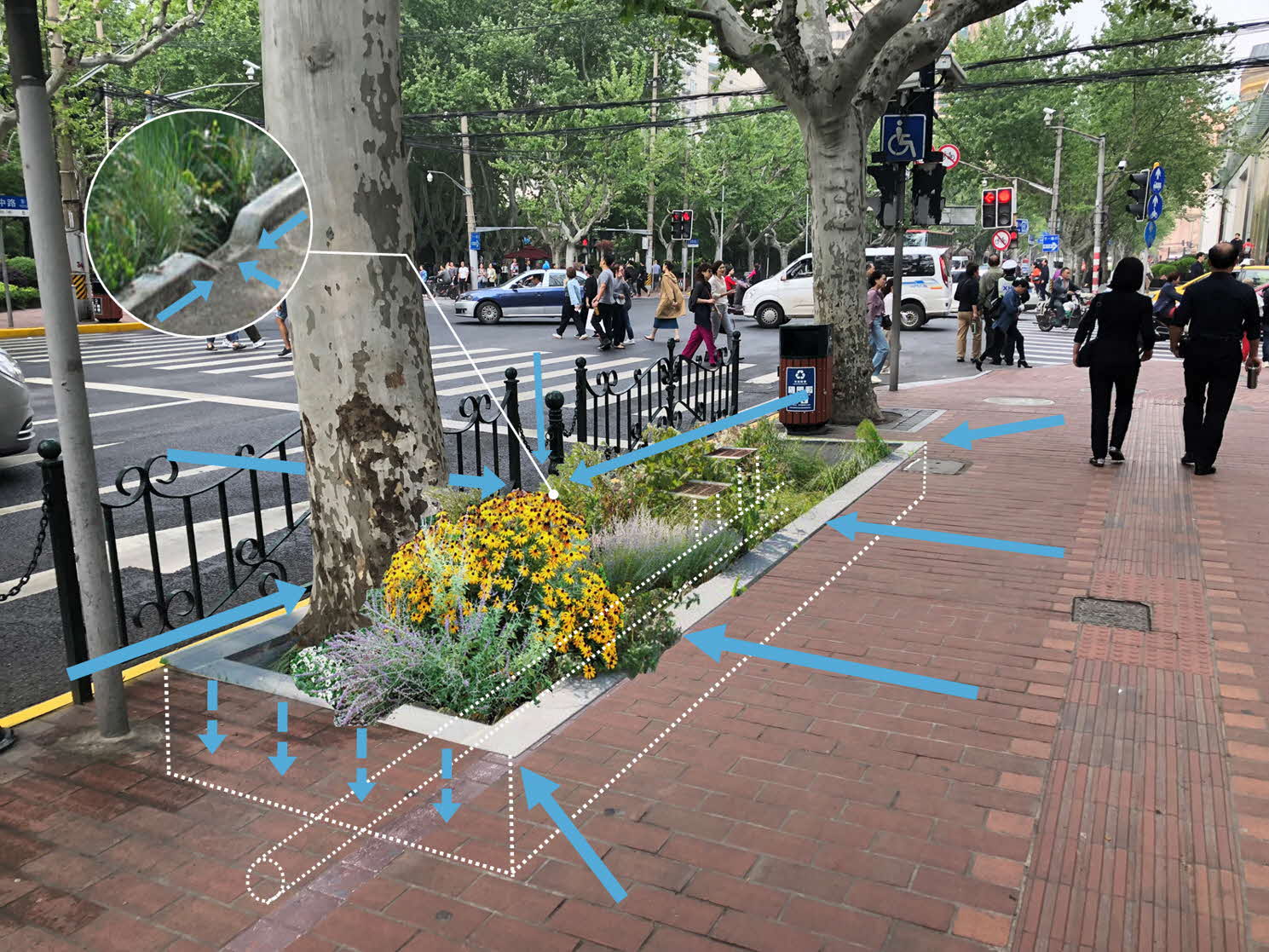
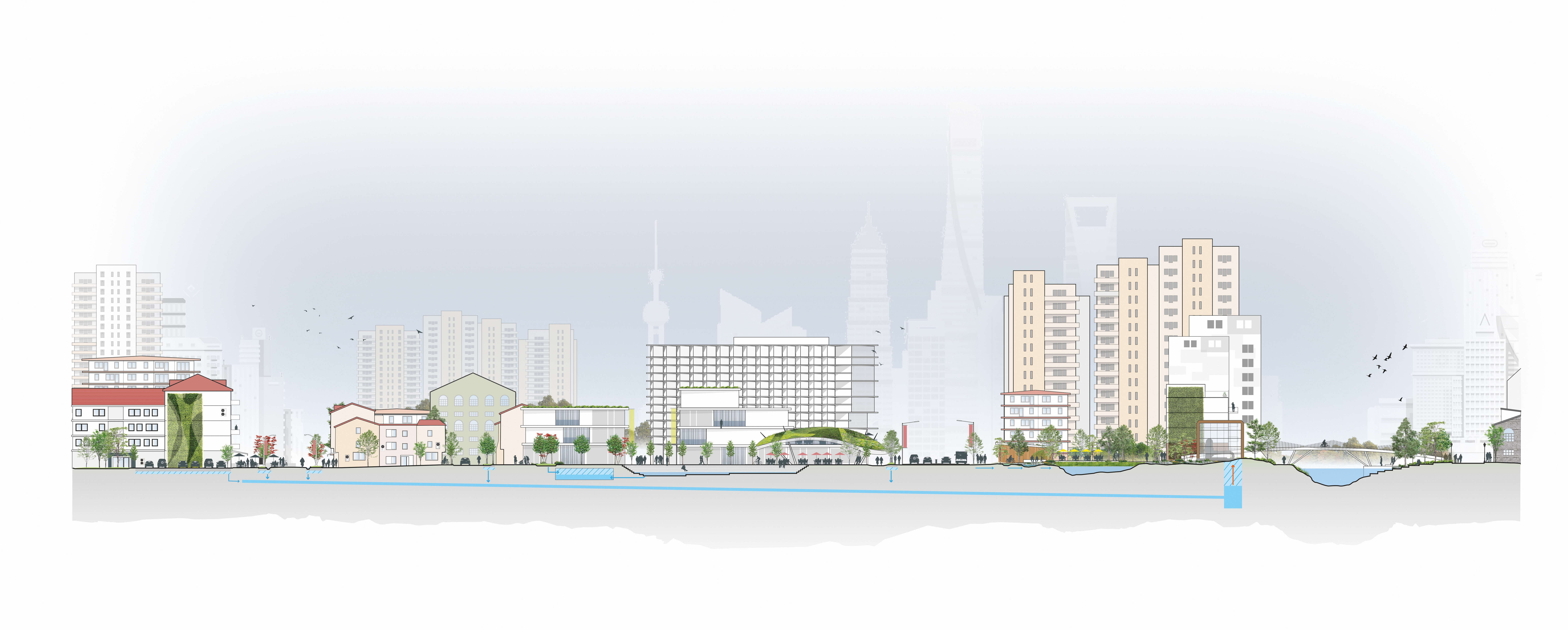
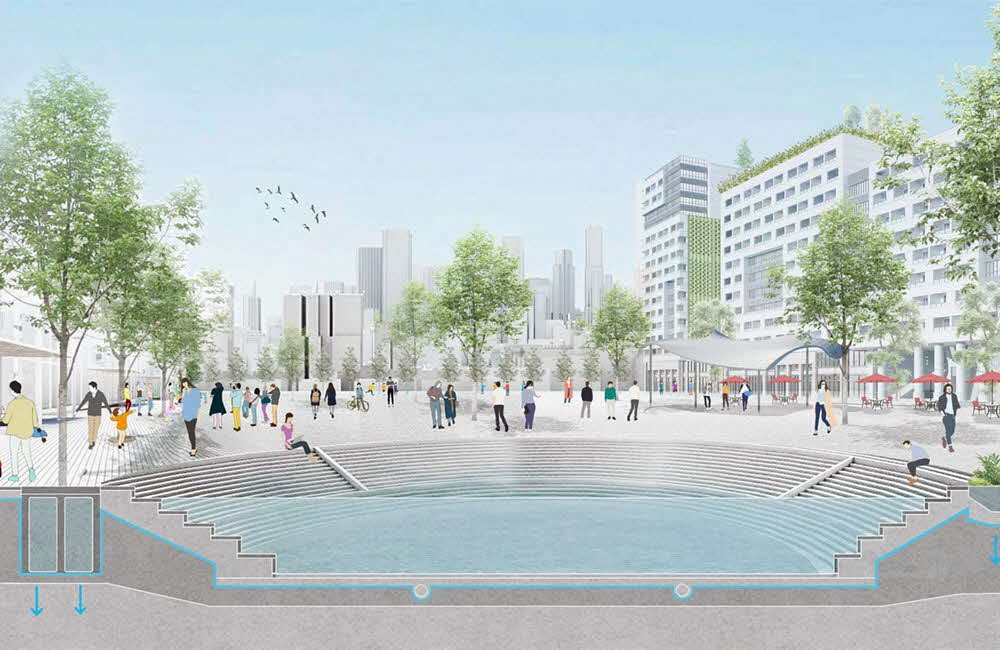
A notable aspect of the project is the technical depth behind it. The team analysed 12 distinct urban typologies and used AI-driven tools to determine where nature-based solutions would have the most impact. This produced a blueprint that not only addressed infrastructure needs but also helped restore ecological function within the fast-urbanising metropolis.
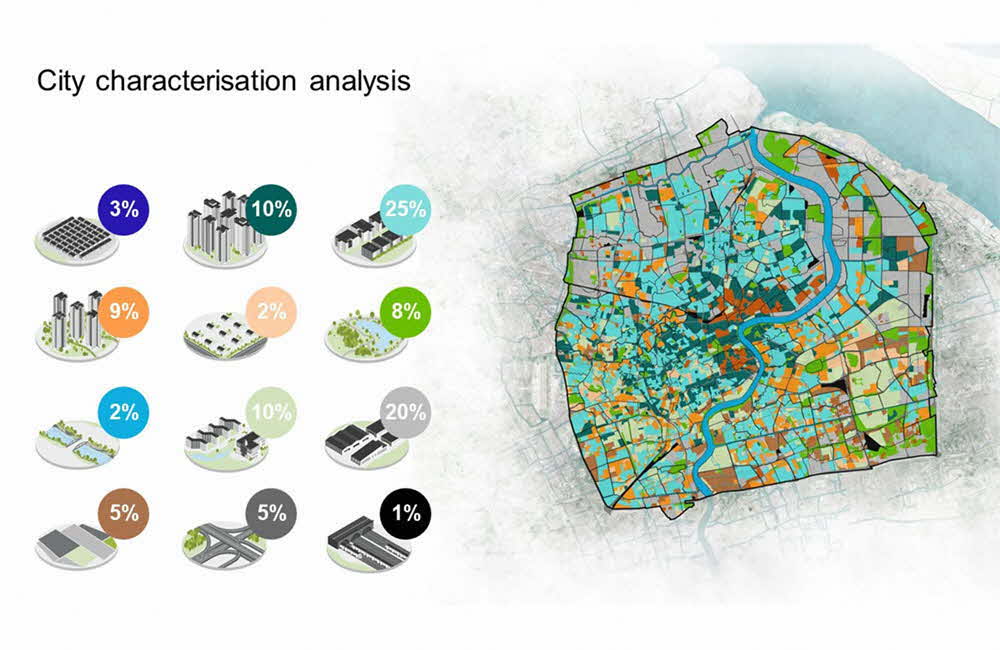
Urban typology analysis using an AI tool called Terrain. (Arup)
At the district scale, sponge-city and nature-based drainage systems such as the one applied in Shanghai have been shown to reduce lifecycle carbon emissions by around 40 to 50%, delivering thousands of tonnes of CO₂e savings over 30 years, with several studies showing carbon neutrality within 2 to 3 decades.
But perhaps the biggest insight from the Shanghai urban drainage strategy is not technological but organisational. Regenerative design at the city scale demands wide collaboration across agencies, utilities, policymakers, communities and private developers. Aligning these interests is challenging, but the Shanghai project shows it is possible when they all share the same goal of long-term resilience and a regenerative outcome.
A Planetary Boundary for City Design
Regenerative design is nature-led, systemic and equitable. It strengthens the relationship between people and the natural world while ensuring benefits are shared fairly across society. Projects such as One Triton Square and Shanghai's drainage plan point the way forward, but they are just the starting point. The real shift will come when cities and those who design and deliver projects adopt a systems approach—one where the boundary is not just a site or a district but as wide as possible. In doing so, this will ensure not just less harm but a planet that can sustain and generate life well into the future.