
Publication Op-eds
Density, Diversity, Connectivity: Planning Singapore as a Regenerative City
14 June 2026
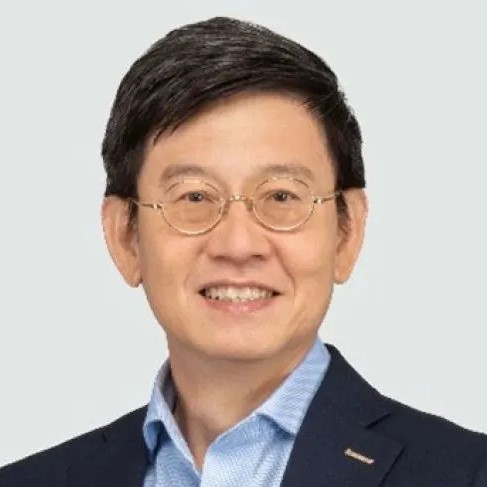
By Lim Eng Hwee Chief Executive Officer, Urban Redevelopment Authority, Singapore
Cities are living organisms that outlast their planners. Our responsibility is to design systems that continue working decades after we are gone ...— Lim Eng Hwee
When Singapore's pioneering urban planner Dr Liu Thai Ker passed on recently, many of us paused to reflect on his enduring wisdom. He often said that to build a city, one must have the heart of a humanist, the mind of a scientist and the eye of an artist.
Cities are living organisms that outlast their planners. Our responsibility is to design systems that continue working decades after we are gone—especially in a future when populations age, economies restructure and climate conditions shift unpredictably.
In Singapore, the principles of regenerative urbanism have long guided our planning practice. Over decades, we have consciously applied the concepts of density, diversity and connectivity to plan and shape how our city functions socially, economically and ecologically.
Density: Intensification Without Compromising Liveability
Density is often (wrongly) associated with dystopian skyscrapers and congested living environments. But when it is thoughtfully applied by planners, density means co-location and convenience, bringing homes, jobs, services and amenities closer together so that more people can benefit from them efficiently. In Singapore, intensification through progressive redevelopment allows our limited land to support a growing population, more jobs, and better amenities.
Urban infrastructure, such as rail lines, drainage systems and digital networks requires large upfront investments. Singapore's compact form has allowed us to build a comprehensive Mass Rapid Transit network and district systems such as Marina Bay's district cooling, serving a much larger population with a smaller footprint and in a more cost-effective manner.
Density also creates space for nature. By building up strategically at selected locations (e.g. near transport nodes), we can set aside land elsewhere for nature reserves, parks, waterways and ecological corridors which are essential for biodiversity and climate adaptation. Through the Landscaping for Urban Spaces and High-Rises (LUSH) programme, we also embed greenery into buildings to cool the city and enhance well-being.
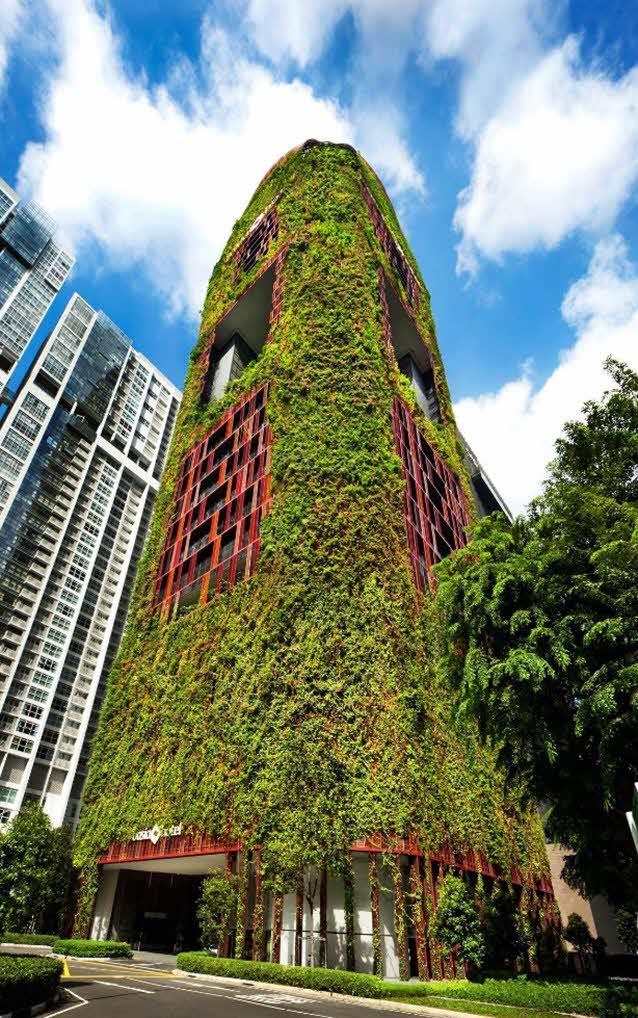
The Oasia Hotel Downtown features sky terraces and cascading lush planting integrated into the building form, providing green visual relief for guests and employees. (Patrick Bingham-Hall)
Diversity: Designing for Change
Cities go through cycles. Economies rise and fall. Technologies disrupt industries. Diversity in urban form helps cities stay resilient through these changes.
In practice, this often takes the form of mixed-use neighbourhoods. Singapore's Jurong Lake District (JLD) exemplifies this approach, where commercial, residential and recreational spaces are being developed around a major transport hub. JLD will be a model sustainable mixed-use district, aiming to achieve net zero emissions for all new developments by 2045. Smart infrastructure initiatives such as district cooling, solar power deployment and super low-energy buildings can help to optimise resources, reduce the district's carbon footprint, and improve health and well-being.
Integrated developments illustrate another aspect of diversity. For example, the new Bukit Canberra integrates sports facilities, healthcare and greenery within a single precinct. These uses are deliberately arranged to complement one another. For instance, sports and eldercare facilities sit side by side, creating opportunities for shared activities and intergenerational interaction. Such planning strengthens social bonds while supporting physical and mental well-being.
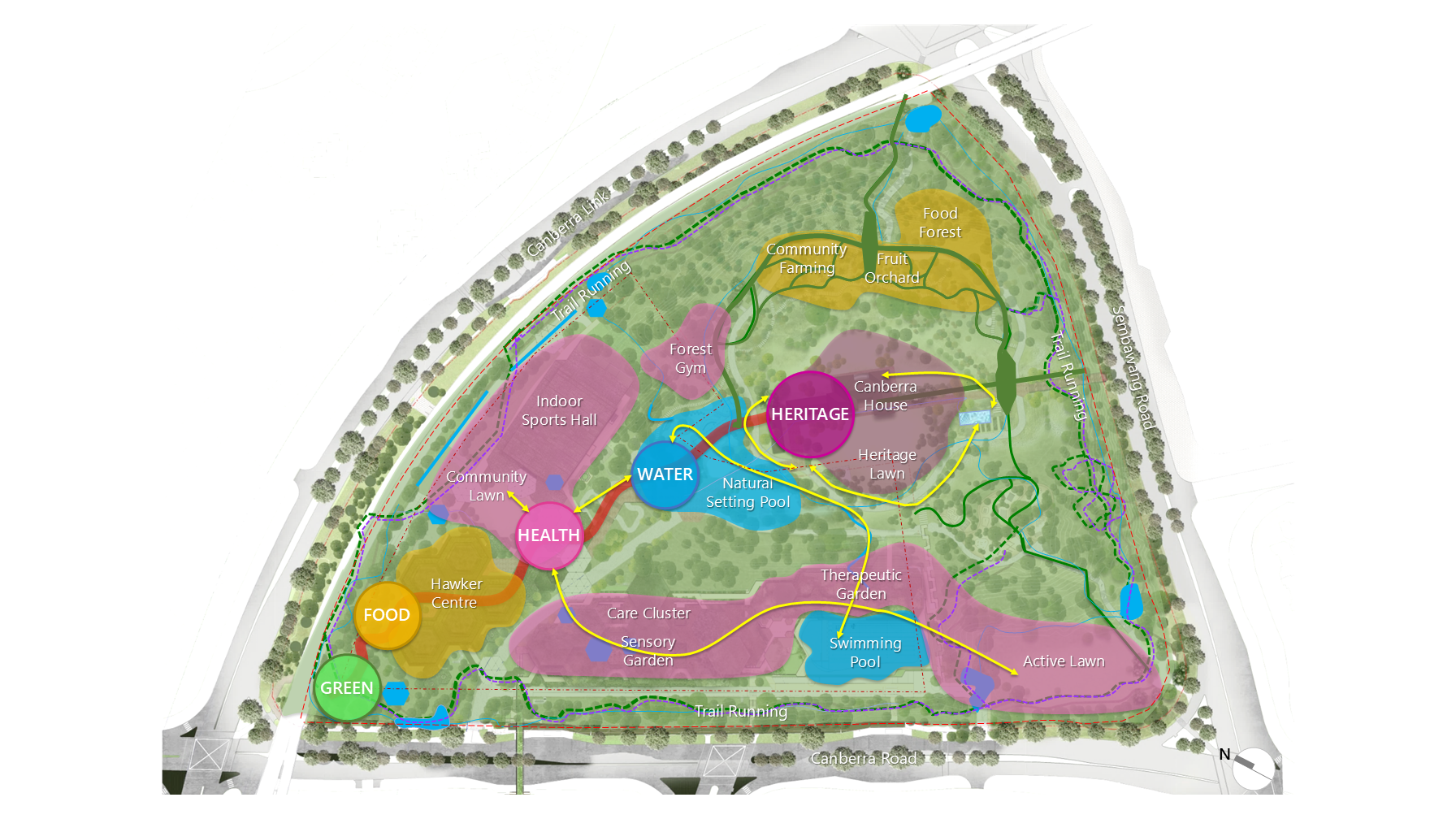
Interrelated uses in Bukit Canberra are organised based on four key areas: greenery, water, food and health. (DP Architects)
In newer neighbourhoods like Springleaf and Lentor, we are shaping development around nature from the outset. Urban design is guided by natural topography, existing greenery and ecological corridors that are linked to the Central Catchment Nature Reserve. These neighbourhoods also provide shaded streets, permeable surfaces and water-sensitive landscapes to create cooler environments.
Connectivity: Binding the City Together
Connectivity is more than roads and rails. It structures how people, goods, energy, information and nature flow through a city.
At the macro scale, innovation districts anchor Singapore in flows of trade, talent and knowledge. Clustering universities, research institutions and firms in areas such as one-north, the Jurong Innovation District and Punggol Digital District generates knowledge spillovers that support emerging sectors like clean technologies, advanced manufacturing and artificial intelligence.
Within the city, rail expansion and transit-oriented development concentrate growth around public transport nodes, reducing private vehicle dependence and carbon emissions. The Rail Corridor, once a freight line, has been transformed into a continuous green spine for walking, cycling and biodiversity—demonstrating how connectivity can restore ecological and social value.
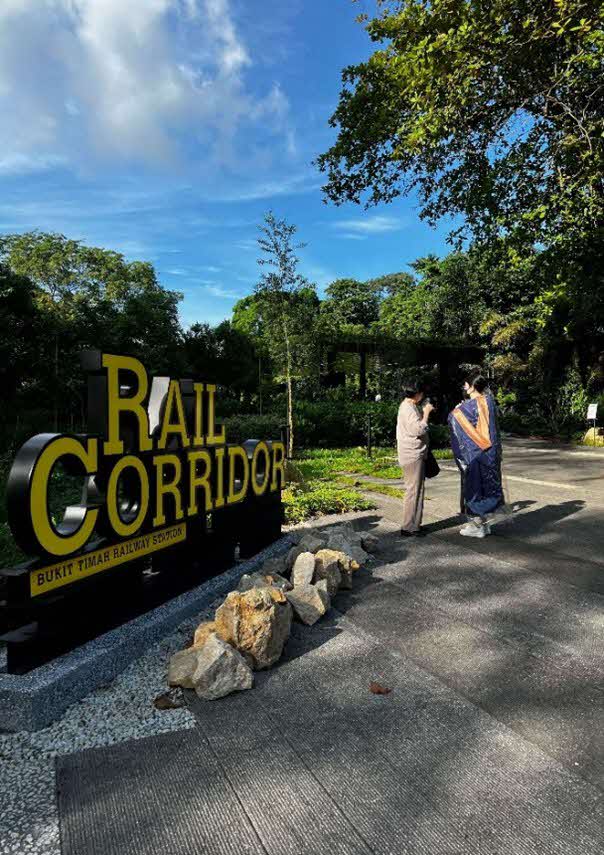
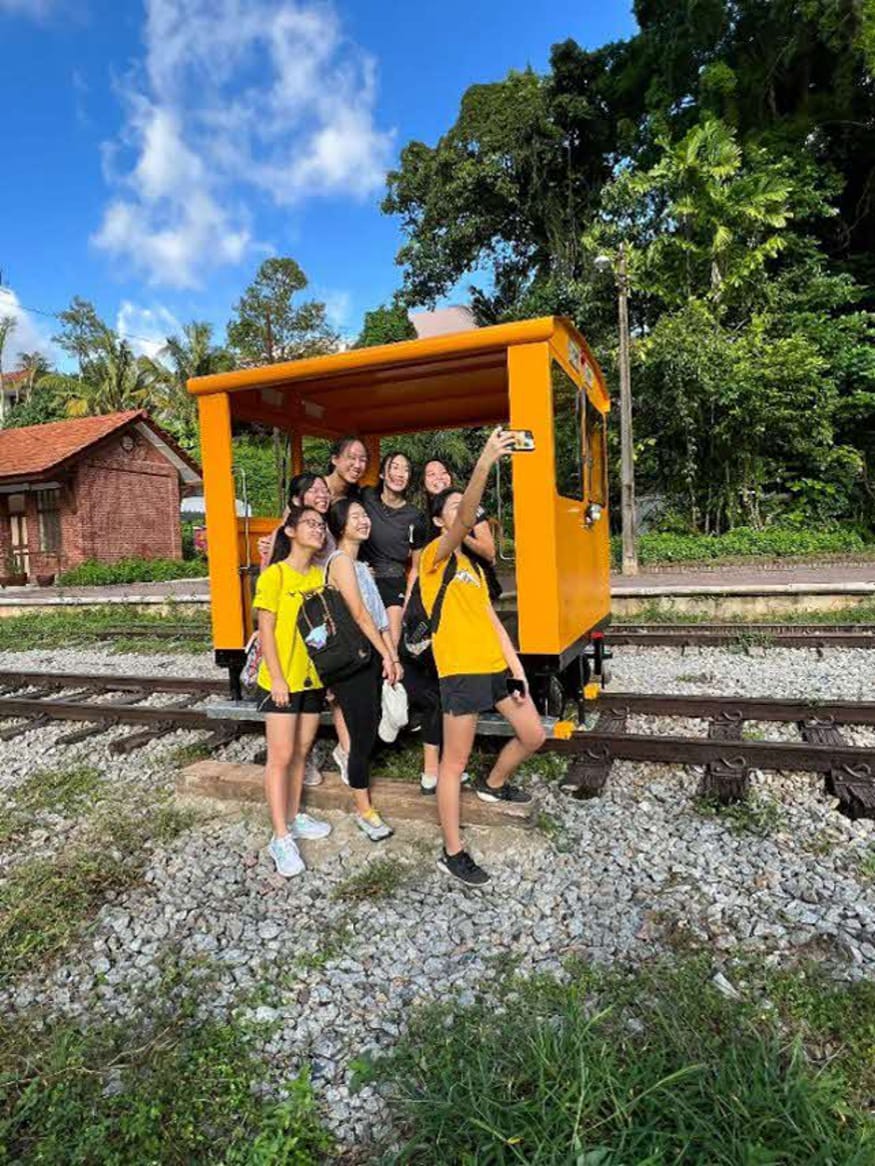
At the neighbourhood level, pedestrian networks, cycling paths and park connectors encourage low-carbon mobility while improving well-being. We also carry out environmental studies to identify ecological corridors and guide the development of eco-links which allow wildlife to move between habitats, integrating nature into our urban fabric even as we develop.
From Sustainable to Regenerative City
For cities, being regenerative means moving beyond sustaining what we have today to restoring ecological, social and economic capacity. Density allows infrastructure to be used more efficiently while setting aside land for nature. Diversity creates neighbourhoods where different activities and communities can co-exist and evolve. Connectivity supports low-carbon mobility, knowledge exchange and ecological networks that allow people and biodiversity to move through the city.
Dr Liu reminded us that planners must be humanists, scientists and artists. I would add that we must also be gardeners—cultivating conditions for growth, resilience and renewal. If we do this well, the seeds we plant today will shade many generations to come.