
Publication Op-eds
A Regenerative Tropical Microforest in the Built Environment: A Pathway to Urban Biodiversity and Ecosystem Restoration at City Square Mall
14 June 2026
By Esther An (City Developments Limited), Adrian Loo (National University of Singapore) and Veera Sekaran (National University of Singapore)
Esther An is the Chief Sustainability Officer of City Developments Limited.
Adrian Loo is an Associate Professor and Deputy Director of the Centre for Nature-Based Climate Solutions, National University of Singapore (NUS).
Veera Sekaran is a Professor at the NUS President's Office, Engineered Nature-Based Solutions.
... even small urban sites can function as high-impact ecological infrastructure, contributing to climate mitigation, biodiversity recovery, and improved human well-being in tropical cities.— Esther An, Adrian Loo and Veera Sekaran
In tropical cities, urbanisation is intensifying environmental pressures, particularly the urban heat island effect, biodiversity loss and ecosystem fragmentation. Conventional urban greening, often reliant on sparse planting and non-native species, has limited effectiveness in delivering meaningful cooling or ecological restoration. In response, regenerative tropical microforests (RTMFs) have emerged as a nature-based solution that integrates dense, biodiverse forest systems into highly urbanised environments.
The CDL MicroForest at City Square Mall in Singapore exemplifies this approach. This pilot project was developed in collaboration with City Developments Limited (CDL), the National University of Singapore (NUS) and the National Parks Board (NParks), and is aimed to serve as a living laboratory to assess how regenerative forests can deliver both environmental and social co-benefits.
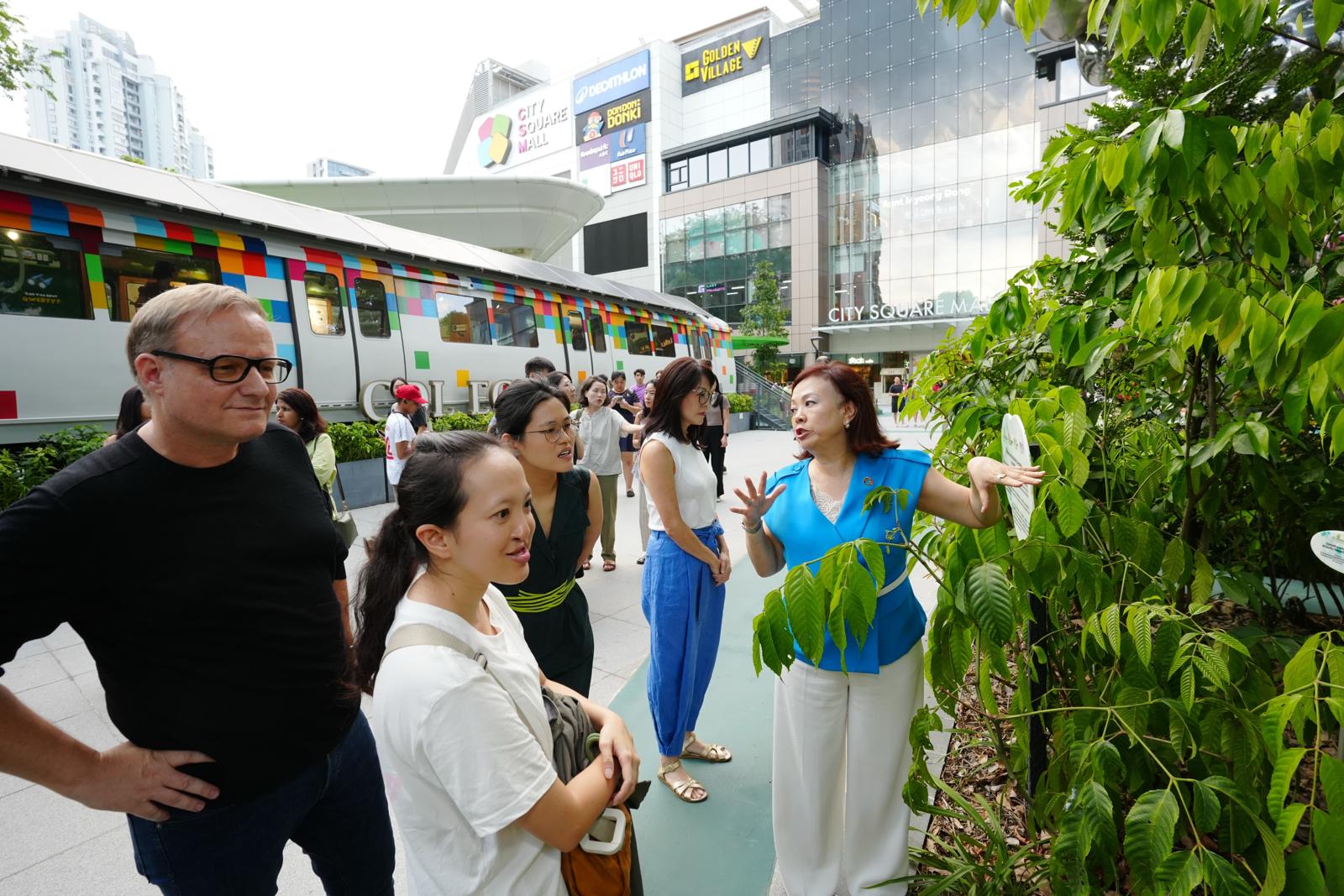
The CDL MicroForest at City Square Mall is Singapore's first research-driven regenerative tropical microforest in a retail mall, designed to mitigate urban heat, enhance climate resilience and boost biodiversity. (City Developments Limited)
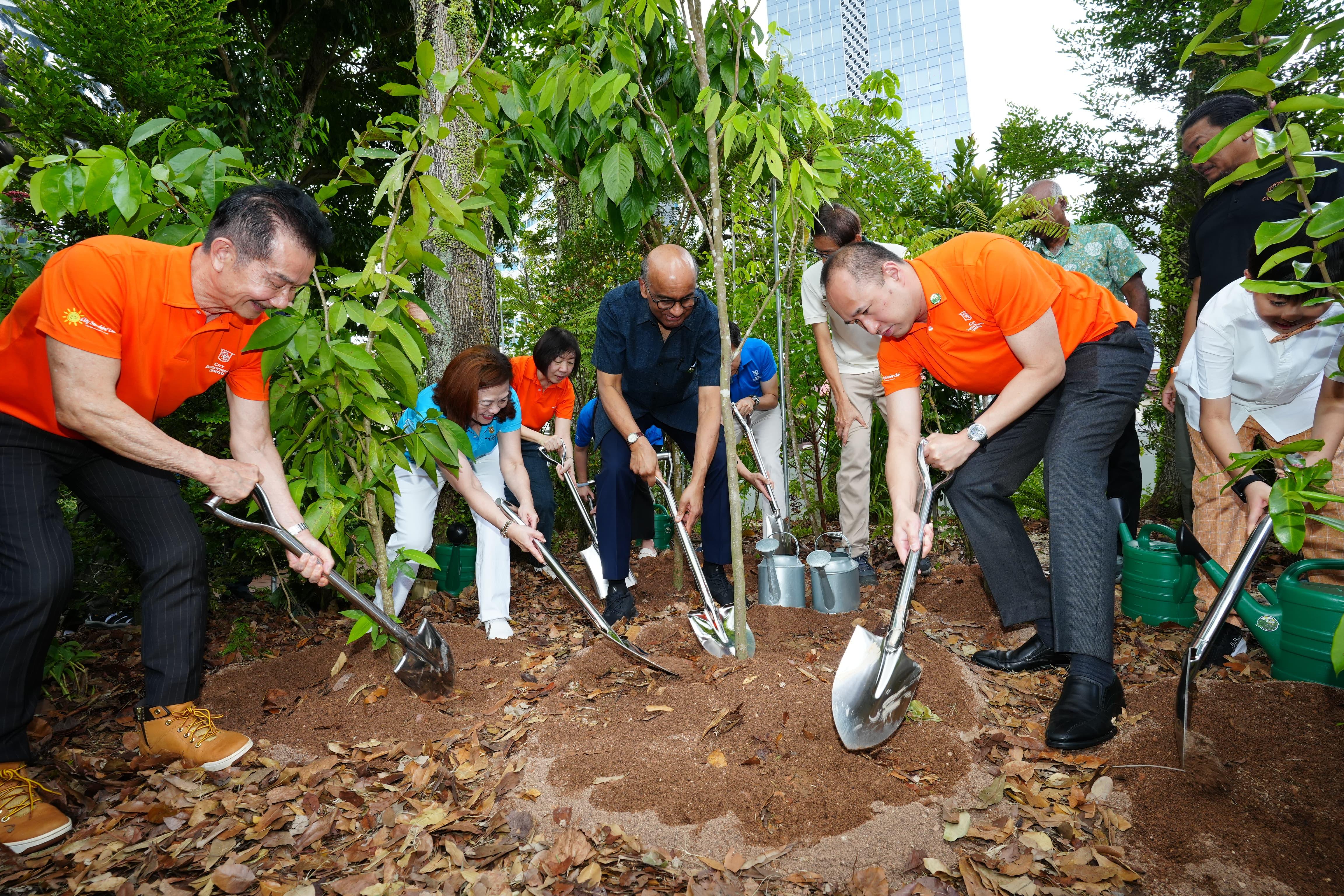
Unveiled on 10 March 2025 by President Tharman Shanmugaratnam, the CDL MicroForest is Singapore's first research-driven regenerative tropical microforest piloted within a retail mall in the high-density city centre. (City Developments Limited)
RTMFs are designed as dense, multi-layered ecosystems composed primarily of native tropical species. Typically incorporating as many diverse native species where possible across plant habitats like canopy trees, saplings, shrubs and ground cover, they mimic natural forest succession. Their layered structure also enhances ecological resilience, disease resistance and habitat complexity. With planting densities of 6-8 mixed saplings, ground covers and mature trees per 2 square metres, arranged in naturalistic patterns, RTMFs enable rapid canopy formation within three to five years, significantly faster than conventional tree planting systems.
The Forestscapes methodology developed by Professor Veera Sekaran at NUS underpins the RTMF framework. The methodology emphasises rigorous site assessment, including soil composition, drainage, fertility and microclimate conditions, and actively regenerates degraded urban soils using compost, organic amendments and beneficial microbial inoculation. Mycorrhizal fungi and nitrogen-fixing bacteria improve nutrient cycling and plant resilience, establishing a strong soil microbiome that supports long-term forest health. Additionally, site design considers sun orientation, canopy light penetration and understorey viability to ensure successful stratified growth.
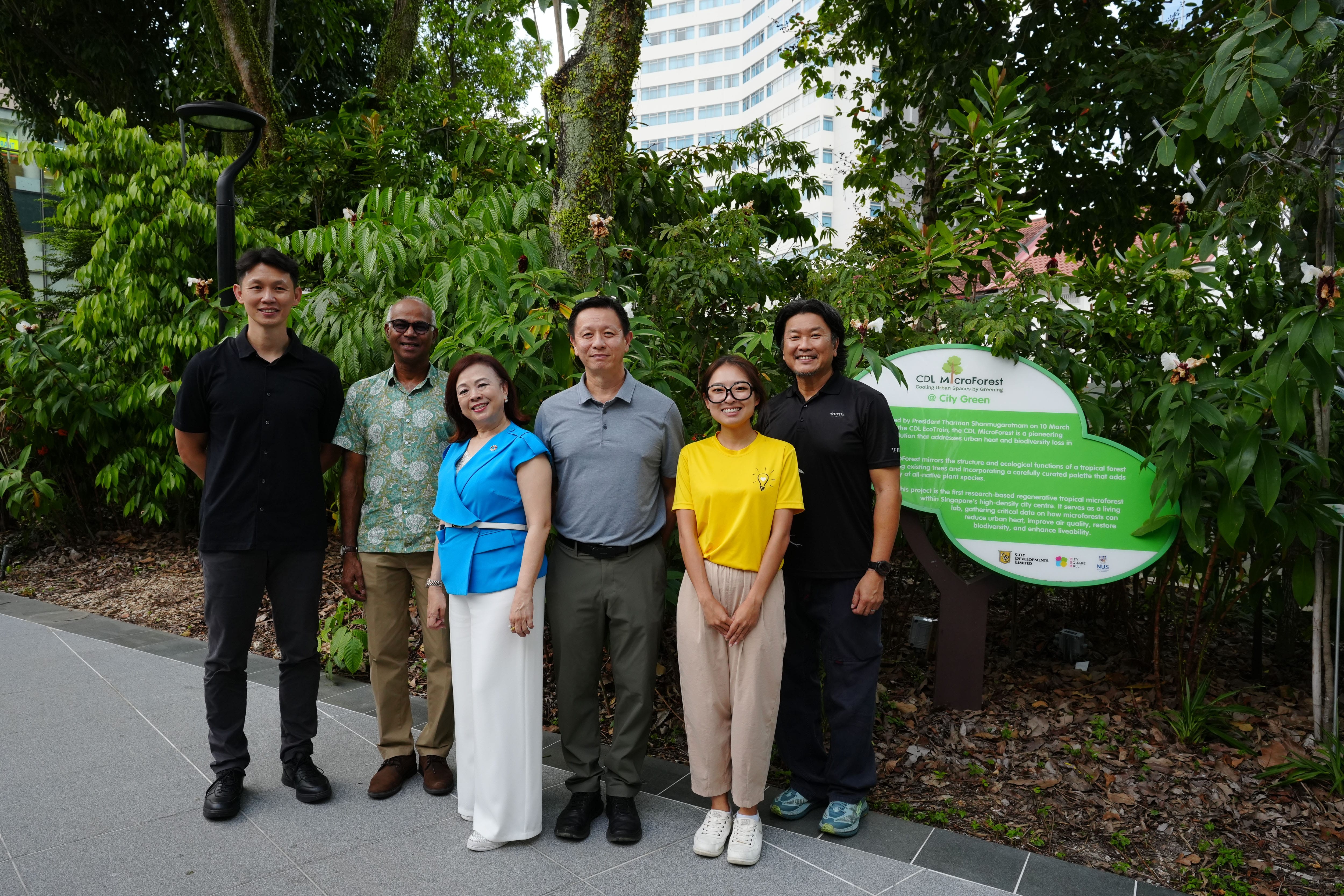
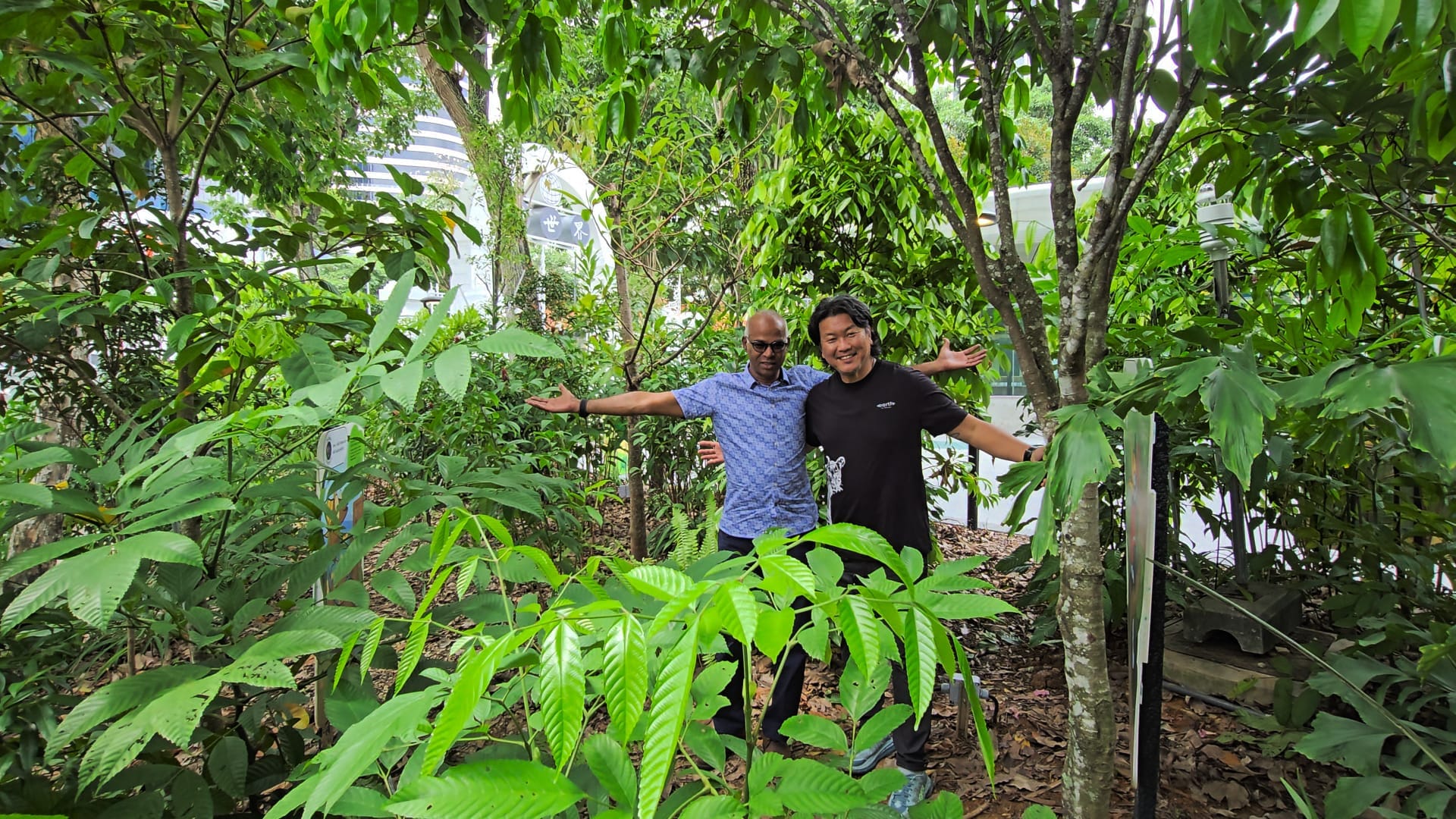
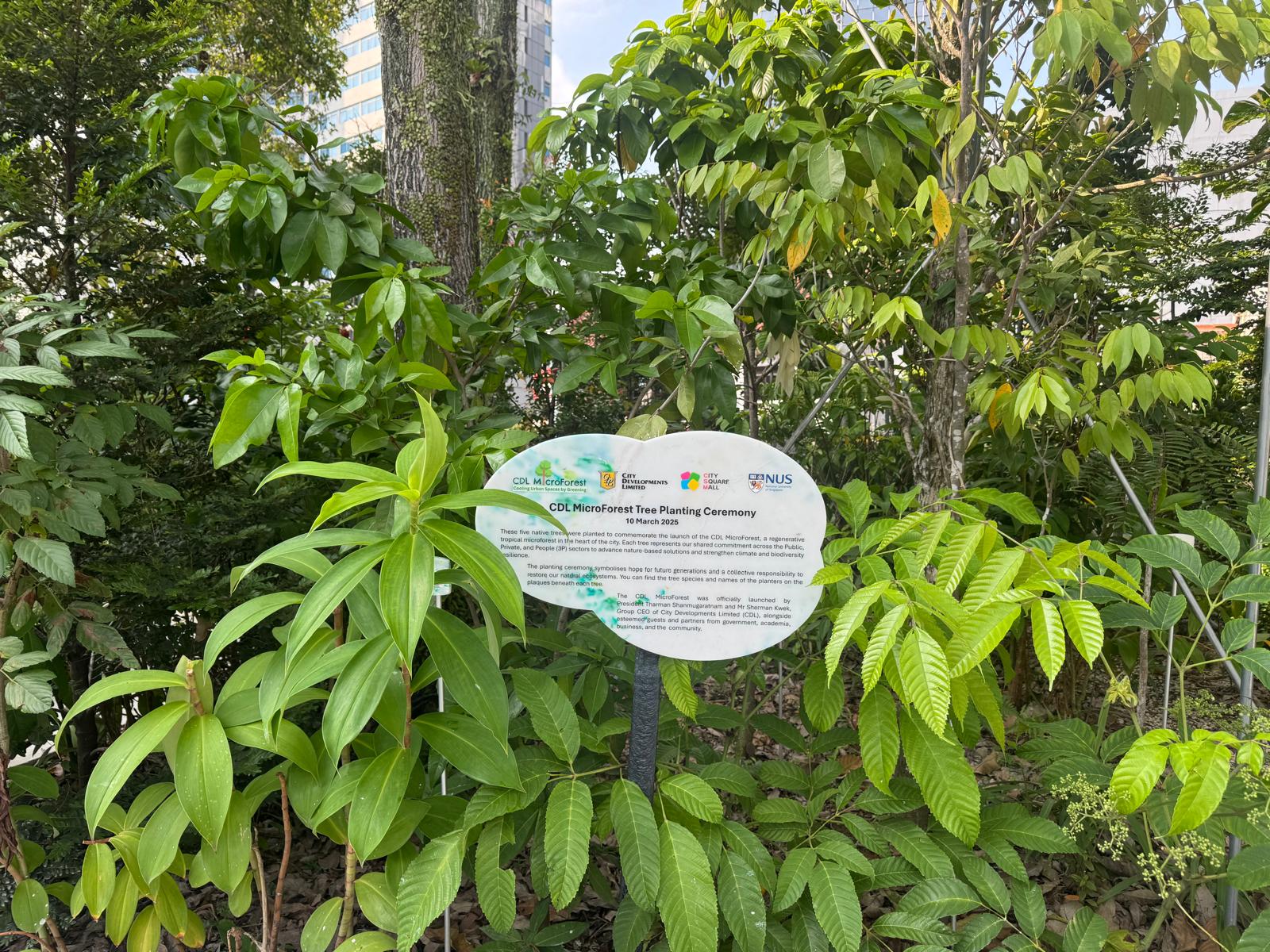
Ecologically, RTMFs accelerate biodiversity recovery by creating layered habitats that support birds, pollinators and small urban fauna. Over time, natural regeneration through wind and animal seed dispersal increases species diversity and strengthens ecosystem adaptability. Maintenance is minimal after establishment, requiring only early-stage watering, mulching and limited weed control, after which the system becomes largely self-sustaining.
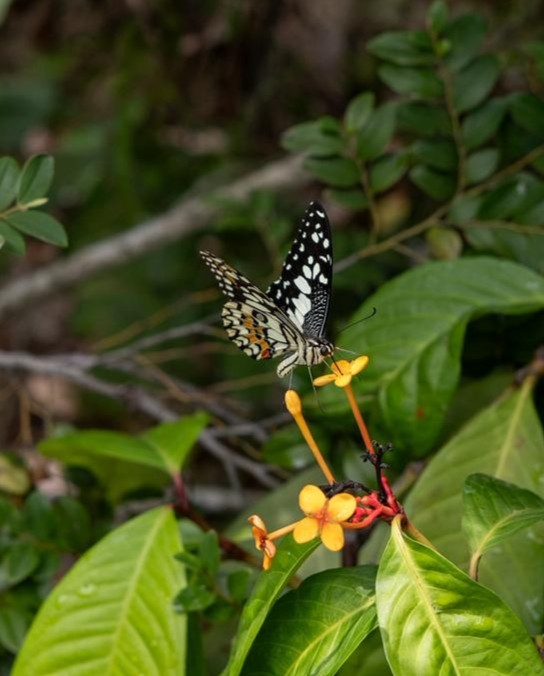
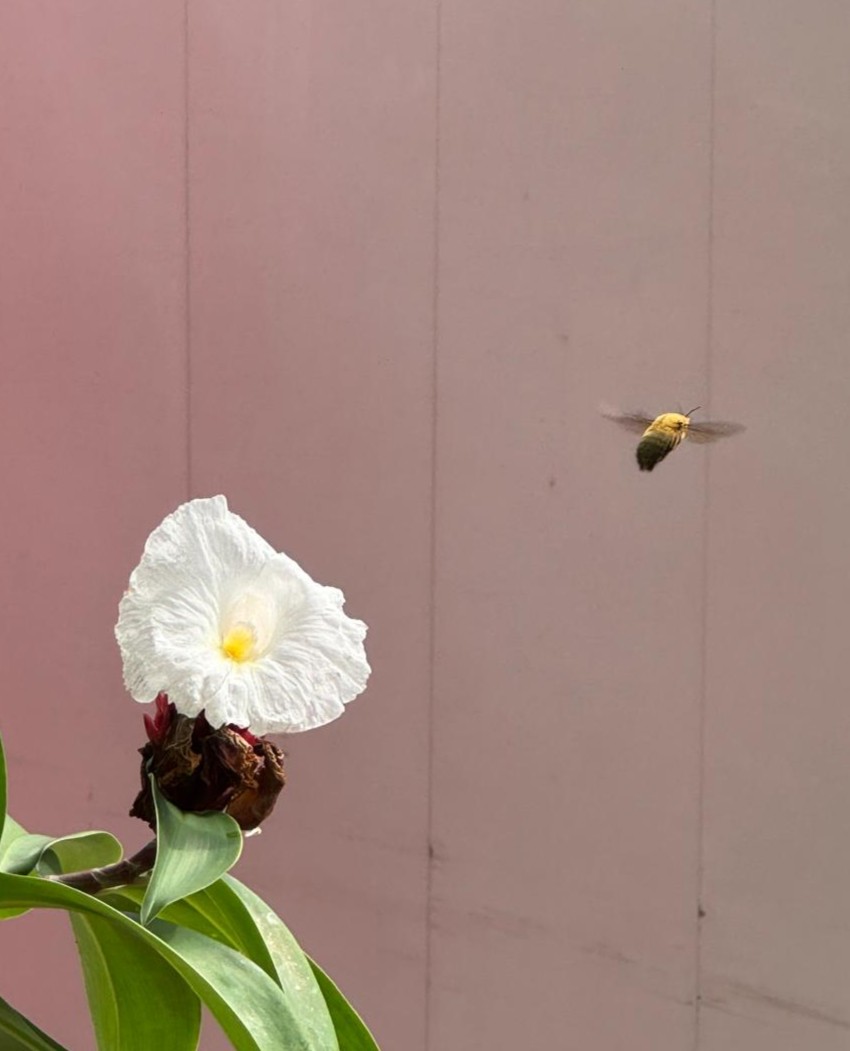
Early monitoring of the CDL MicroForest demonstrates measurable environmental benefits. Studies indicate localised temperature reductions of up to 5°C compared to surrounding urban areas, with adjacent areas also experiencing cooling effects of 1° to 4°C. Environmental DNA analysis shows approximately 70% higher species richness compared to nearby grass areas, alongside increased bird activity, confirming improved urban biodiversity and ecological function.
Biodiversity Spotted at the CDL Microforest

Beyond environmental outcomes, RTMFs offer high urban and economic value. By reducing heat stress and improving microclimates, they enhance pedestrian comfort, increase dwell time, and strengthen placemaking in retail and mixed-use developments. They also contribute to climate resilience strategies, support biodiversity targets and align with emerging frameworks such as the Taskforce on Nature-related Financial Disclosures (TNFD). For CDL, the MicroForest strengthens City Square Mall's identity as Singapore's first eco-mall and complements its broader asset enhancement strategy, reinforcing long-term asset value and tenant attractiveness.
Overall, RTMFs represent a scalable and evidence-based model for integrating ecological restoration into dense tropical urban environments. The CDL MicroForest demonstrates that even small urban sites can function as high-impact ecological infrastructure, contributing to climate mitigation, biodiversity recovery and improved human well-being.