Articles
Catalysing Regenerative Urban Development for Liveable and Resilient Cities
26 July 2026
To turn climate challenges into opportunities for more liveable and resilient cities, the Centre for Liveable Cities (CLC) Regenerative Cities Forum series convenes stakeholders across the infrastructure and environment (I&E) sector to accelerate the adoption of regenerative urban development. Building on the successes of the first two Forums held in Singapore and London last year, CLC organised the third edition from 23 to 24 June as part of London Climate Action Week (LCAW) 2026.
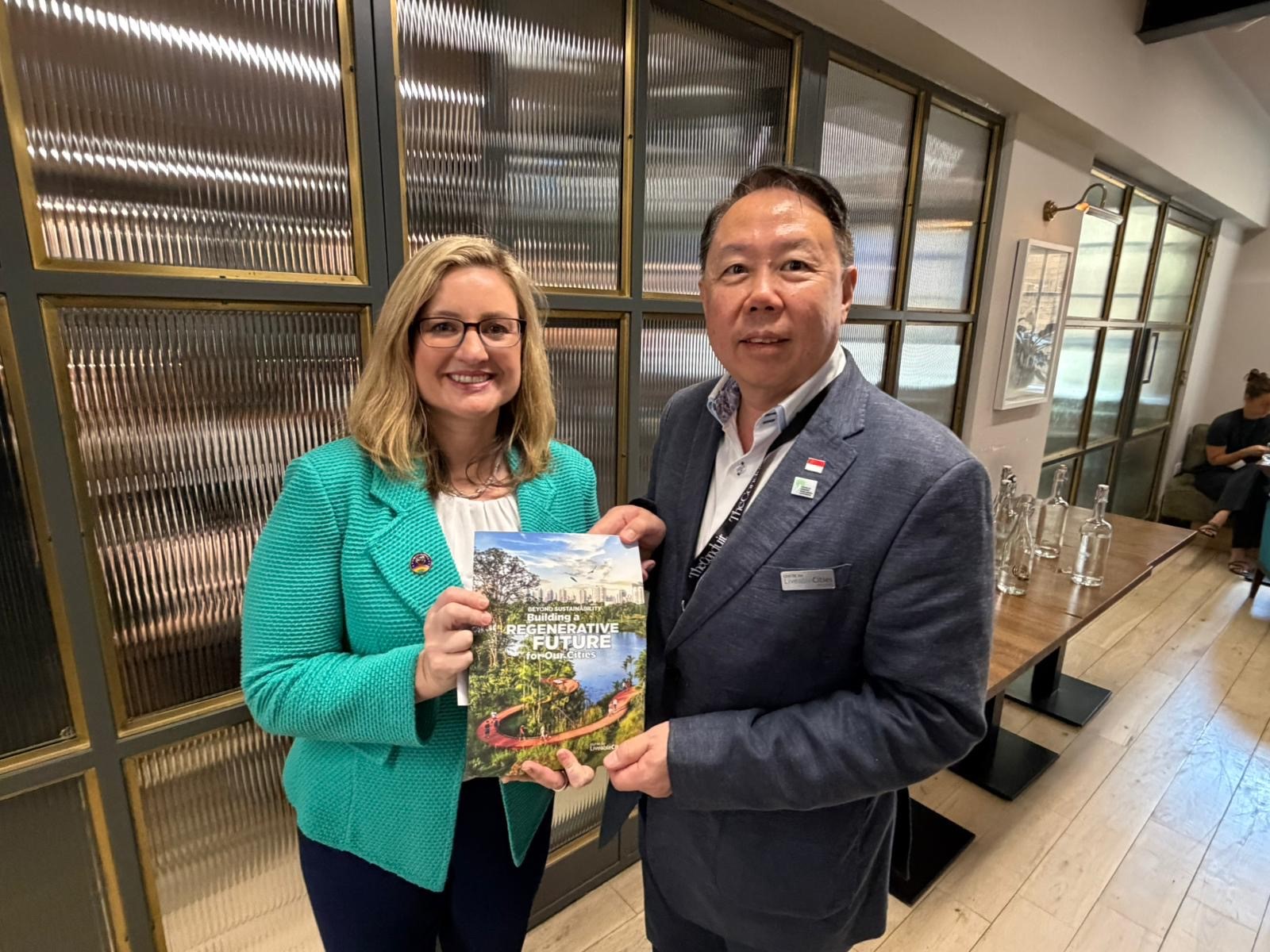
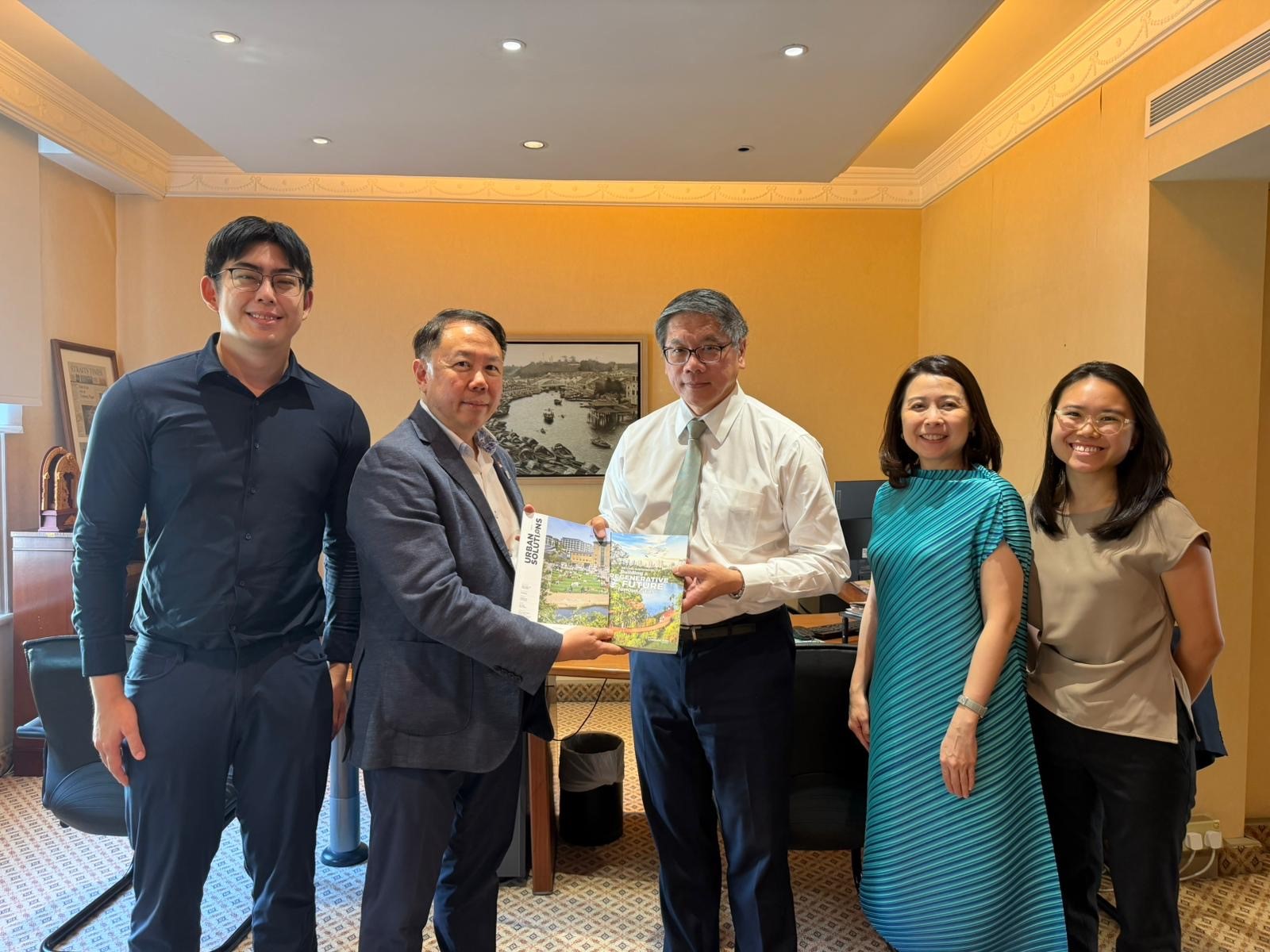
Following the recent launch of Beyond Sustainability: Building a Regenerative Future for Our Cities at the World Cities Summit (WCS) 2026, this third Forum was brought to LCAW 2026 to build global consensus around CLC’s Regenerative City Framework and consolidate insights on the preliminary Regenerative City Self-Assessment Tool with international experts.
Leadership Exchange on Regenerative Cities for a Climate-Changed World
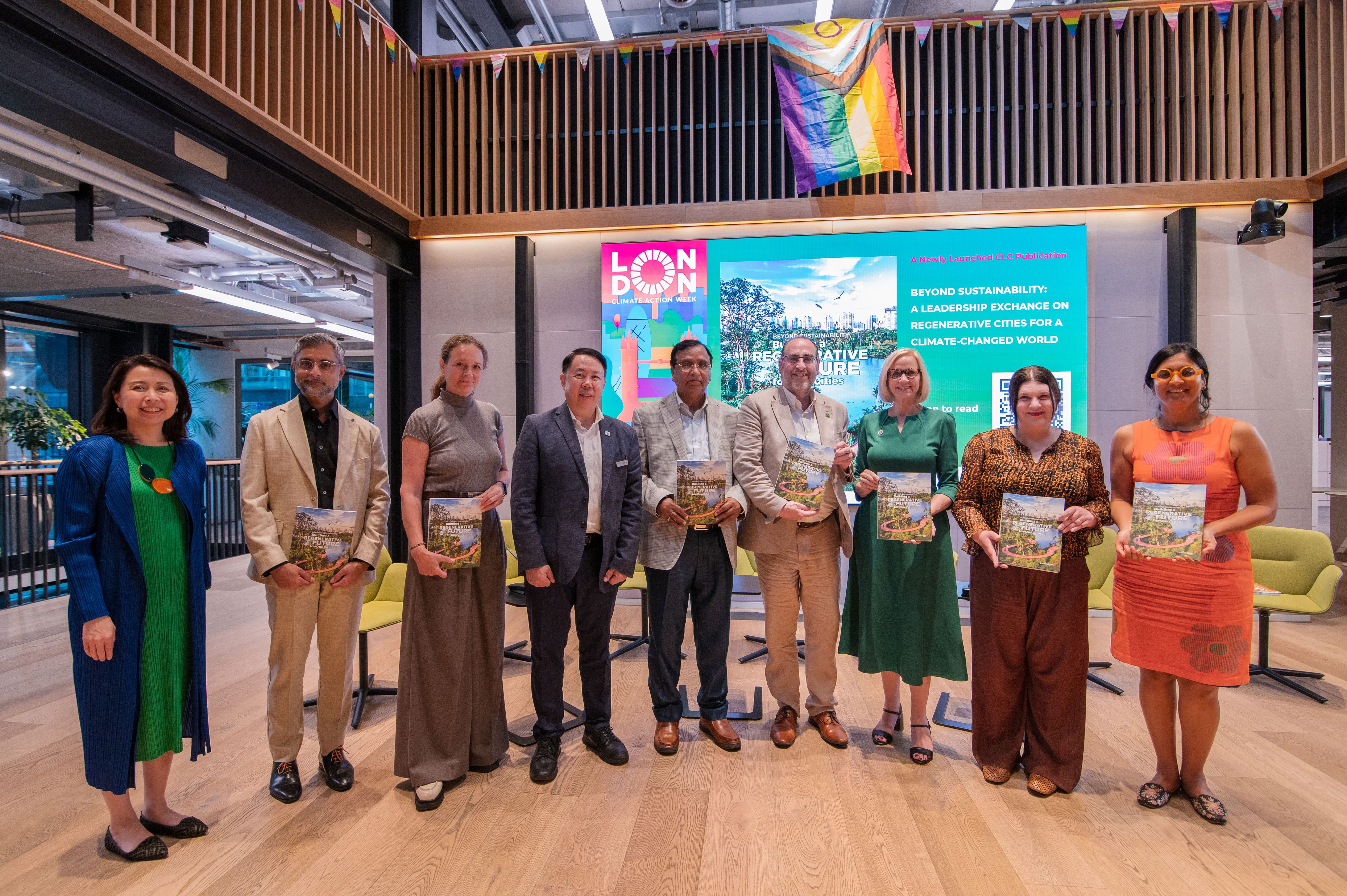
Photo credit: Arup
The flagship event, Beyond Sustainability: A Leadership Exchange on Regenerative Cities for a Climate-Changed World, was jointly organised by CLC, Arup and C40 Cities on 24 June 2026. Centred on optimising co-benefits in climate adaptation and mitigation, the leadership exchange featured Eileen Higgins, Mayor of Miami; Susan Aitken, Leader of Glasgow City Council; Tony Dyer, Leader of Bristol City Council; Mohammad Abdus Salam, Administrator of Dhaka South City Corporation; Hugh Lim, then-Executive Director, Centre for Liveable Cities; and Chintan Raveshia, Principal, APAC Cities, and Planning and Design Leader, Arup. The panel was moderated by Shruti Narayan, Managing Director of Regions and Mayoral Engagement, C40 Cities.
While climate change poses an existential risk to cities and their people, speakers highlighted how cities can view these challenges as opportunities for change through regenerative urban development. Drawing on examples in their cities, speakers emphasised that regenerative urban development requires a long-term, systems-thinking approach that embraces co-benefits. Glasgow’s Greenprint for Investment, Miami’s Stormwater Master Plan, and Dhaka’s Clean City, Green City vision were among the key case studies shared with over 100 attendees.
They also called for cities to build inclusive partnerships with local communities, youth networks, and international partners, embedding co-benefits into efforts that address residents' urgent priorities. Importantly, regenerative urban development does not seek to dismantle existing sustainability efforts. Instead, it guides cities in amplifying the impact of current climate action by integrating urban systems to maximise co-benefits for people and for the built and natural environments.
Workshop on Assessing the Regenerative City
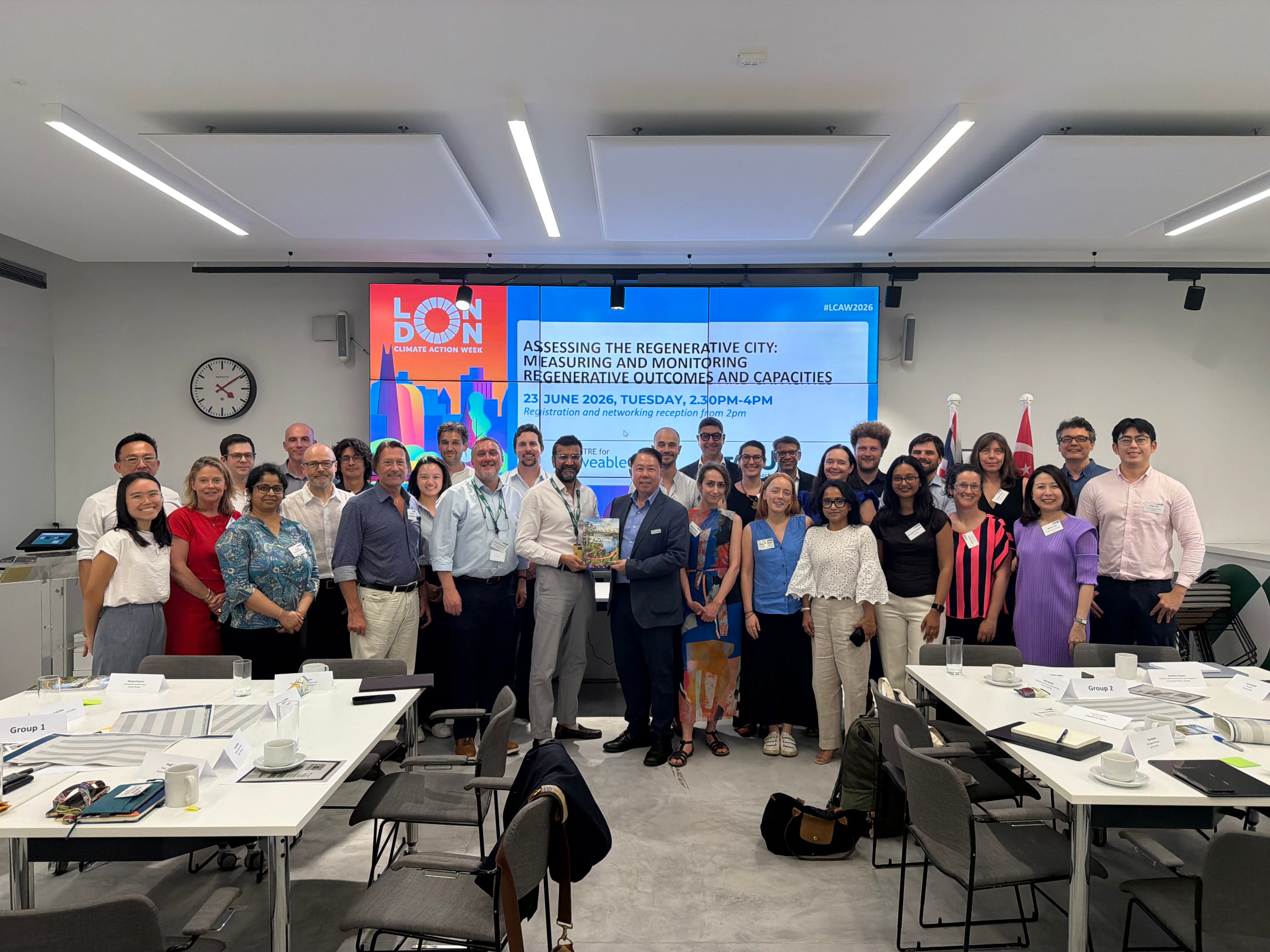
In a first-time collaboration, CLC and Connected Places Catapult (CPC) held the Workshop on Assessing the Regenerative City on 23 June 2026 which focused on sharpening the measurement and monitoring of regenerative urban development. Bringing together experts from the private, public, people and academic sectors, the workshop examined how progress in regenerative urban development can be tracked, and how multi-stakeholder collaboration can improve the rigour of measurement.
Three key points emerged from the discussions. First, tracking must support better decisions and investments. Indicators must quantify co-benefits, demonstrate long-term value, and capture broader ecological, social, and economic value, enabling cities to make the business case for regenerative projects. Second, co-benefits must be measured across multiple scales, recognising that urban systems extend beyond individual projects and city boundaries. Indicators should account for relationships between buildings and surrounding communities, district systems with ecological catchments, and cities with global supply chains. Third, the roles and responsibilities of stakeholders must be clearly defined across the project lifecycle. Accountability frequently ends at project completion despite the need for long-term measurement of regenerative outcomes. Indicators must therefore consider the temporal dimension and reflect how co-benefits and key stakeholders evolve over time.
CLC-Arup Strategic Roundtable
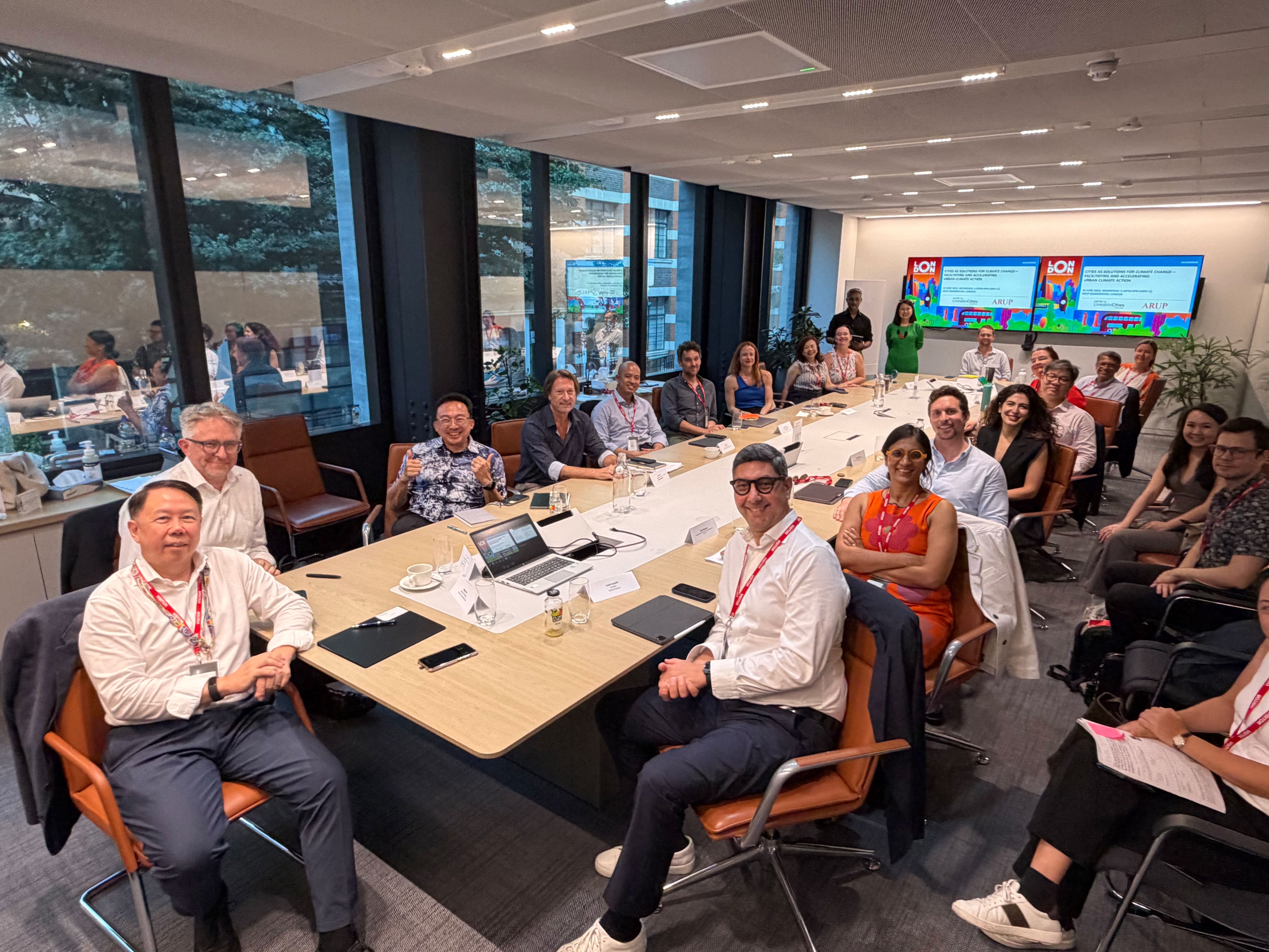
To strengthen the bridge between academia and practitioners in response to the IPCC Special Report on Climate Change and Cities, CLC and Arup organised a Strategic Roundtable on Cities as Solutions for Climate Change: Strengthening Collaborative Action for Urban Climate Action on 24 June. The roundtable brought together 18 practitioners from across sectors who discussed how the IPCC Special Report on Climate Change and Cities (IPCC SR Cities) can better support climate action, and shared innovative climate solutions.
Participants identified a weak financial case for adaptation as a major barrier to scaling climate action. Resilience investments often deliver long-term public benefits but uncertain short-term financial returns, making them less attractive to investors. The IPCC SR Cities could strengthen the investment case by quantifying avoided losses, highlighting the broader economic and social benefits of adaptation, and providing harmonised metrics, forward-looking climate scenarios, and practical guidance for decision-making.
To accelerate climate action, participants called for mainstreaming nature-based solutions as core urban infrastructure, improving energy efficiency through smart district energy systems, establishing circular economy approaches to reduce embodied carbon, and quantifying the wider co-benefits of climate action across public health, biodiversity, resilience, and economic productivity. Achieving these goals requires strong coordination across government agencies, collaboration with businesses and communities, and sustained political commitment.
Participants also emphasised the need for effective change management to institutionalise new benchmarks, standards, and risk assessment frameworks to accelerate investment in adaptation and climate innovation. Climate budgeting was highlighted as a critical tool for aligning resources with priorities, while a multi-stakeholder ecosystem approach was seen as essential to overcoming risk aversion and unlocking innovation.
In conclusion, participants underscored the importance of a dual mindset: a scarcity mindset that recognises finite resources, tightening carbon constraints, and growing climate risks; and an abundance mindset that reimagines possibilities, pursues paradigm shifts, and co-creates innovative solutions for a more resilient and sustainable future.
Connecting with Strategic Partners
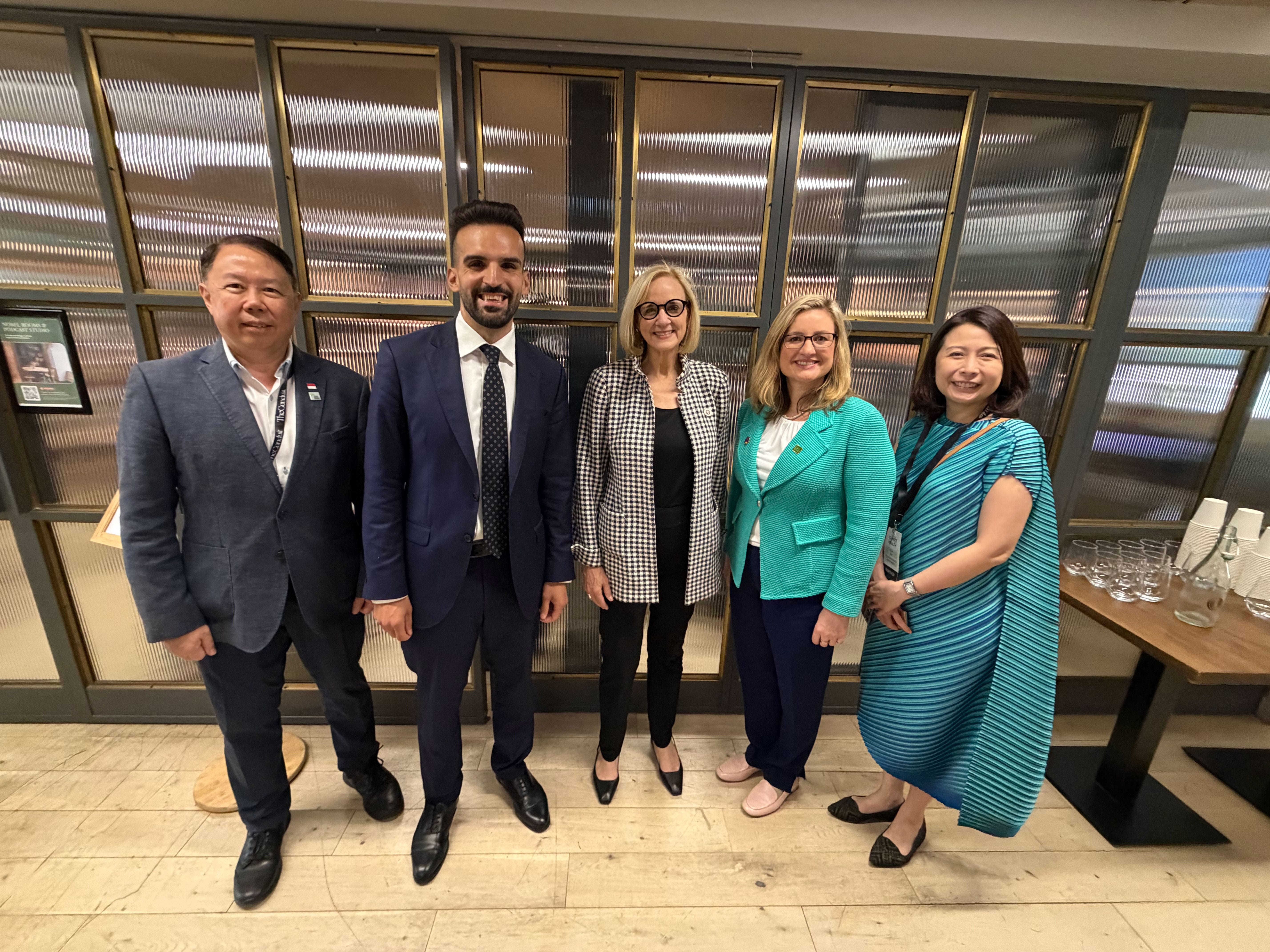
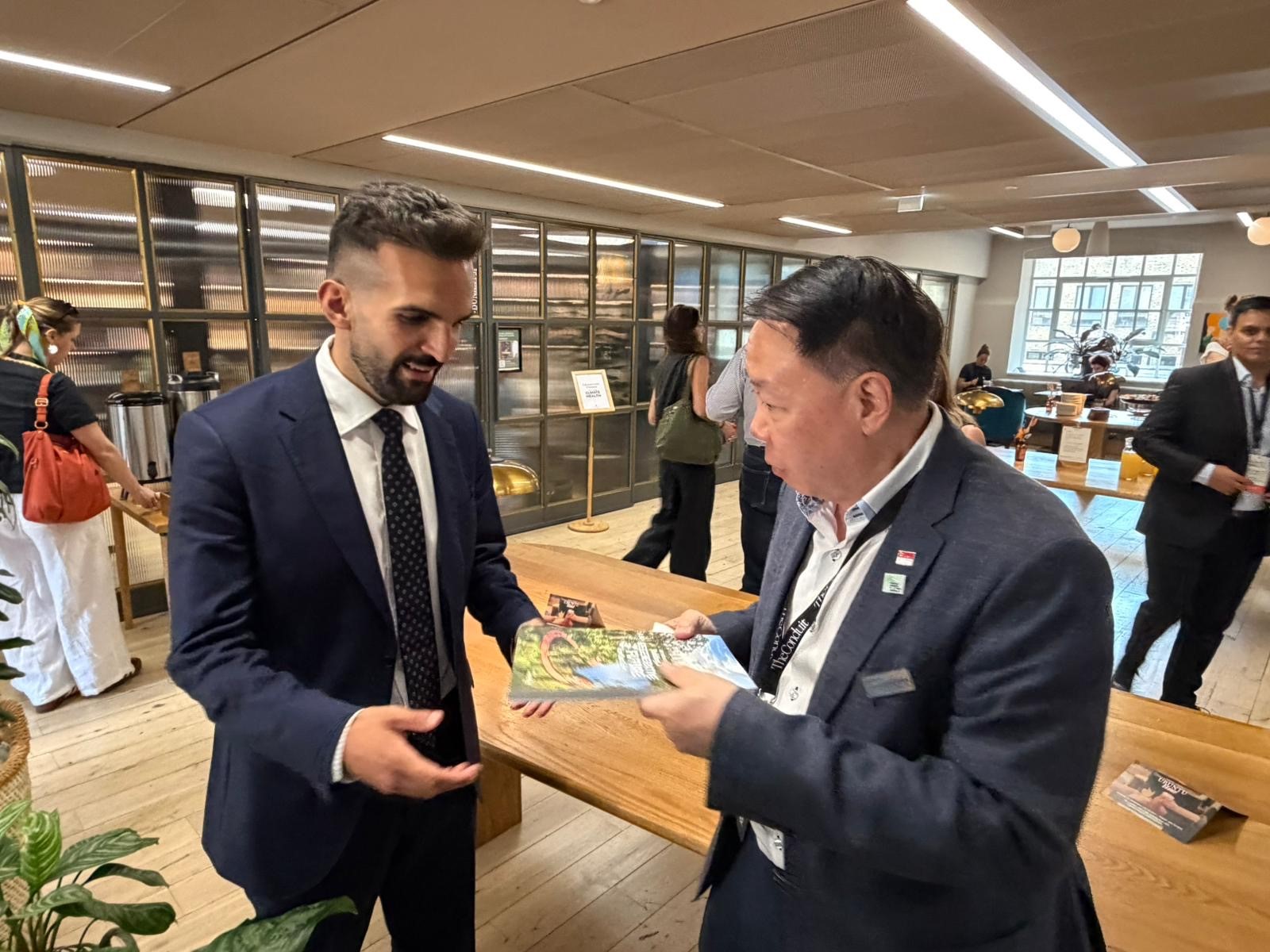
On the sidelines of the Climate and Future of Health conference organised by The Conduit and Wellcome Trust, the CLC delegation met with city leaders including Mete Coban, Deputy Mayor, London and Kate Gallego, Mayor, Phoenix.
CLC also connected with strategic partners and London-based experts including Amanda Sturgeon, Chief Executive Officer, Biomimicry Institute and member of the World Cities Summit Knowledge Council; Phyllis Cuttino, Chief Executive Officer of The Climate Reality Project; Jeremy Skinner, Assistant Director of Strategy, Insight and Intelligence, Greater London Authority; Nico Kienzl, Senior Executive Director of Atelier Ten's New York office; Sameer Savani, Managing Director for Transport at Connected Places Catapult; Ricky Burdett, Professor of Urban Studies and Director of London School of Economics (LSE) Cities; and Helen Taylor, Director of Practice at Scott Brownrigg.
CLC looks forward to deepening collaborations with partners at future Regenerative City Forums and at global platforms such as the Mayors Forum 2027 in Mexico City and WCS 2028.
Contributed by Andy Tan, Senior Assistant Director, Research & Ng Sze Xuan, Manager, Research