
Articles
Insights from Melbourne – One of the World’s Most Liveable Cities
27 January 2026
Melbourne is renowned for its liveability, regularly achieving top ranks on global indices. It took the top spot as the world’s most liveable city for seven consecutive years until 2017 on The Economist Intelligence Unit Global Liveability Index.
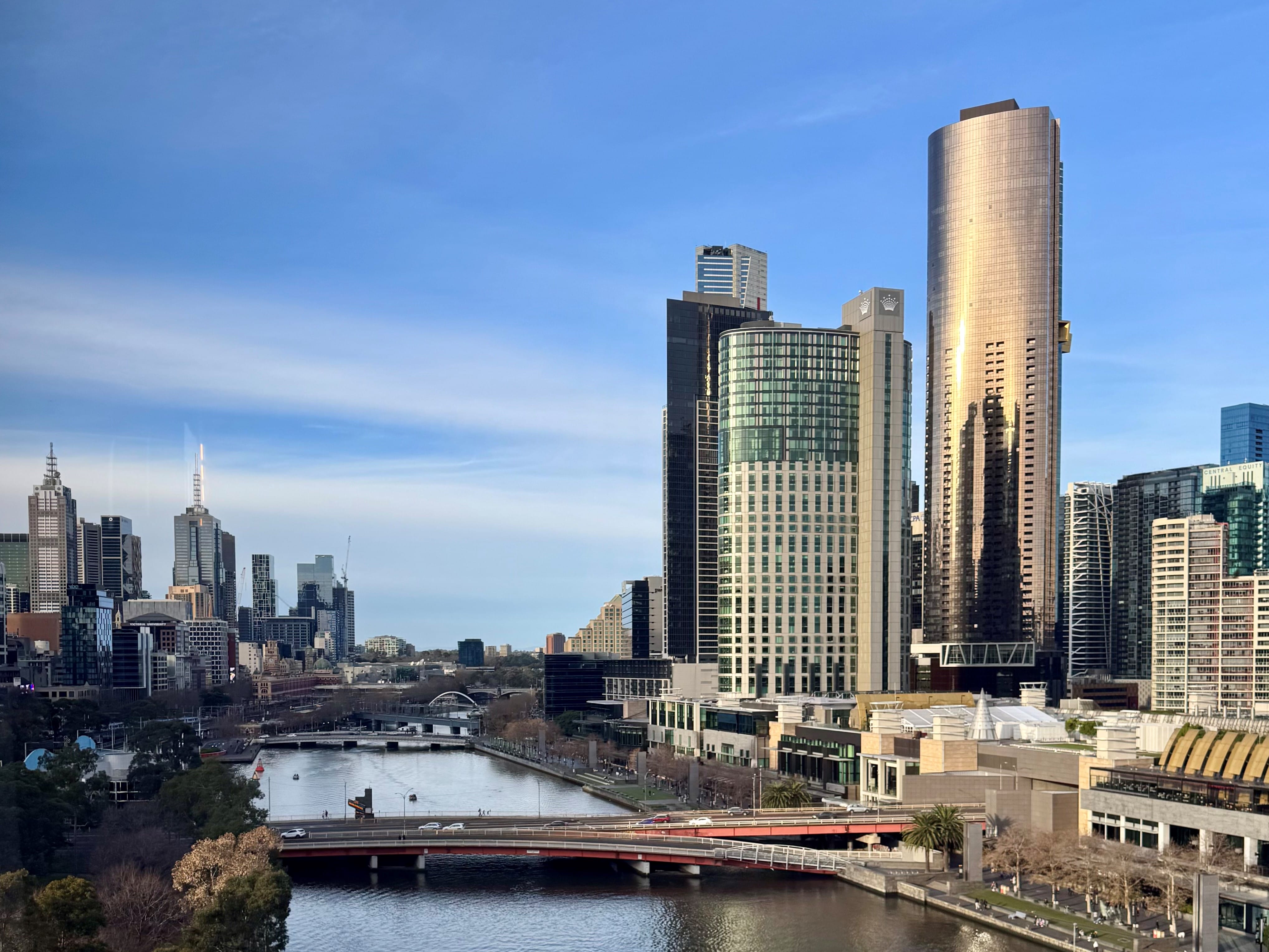
Melbourne’s cityscape by the Yarra River
In the latest ranking, Melbourne placed 4th out of 173 cities and is consistently the highest-ranked Australian city. However, it also faces common urban challenges – the city's population is projected to nearly double from current levels, reaching 9.1 million by 2066.
This article covers insights gathered from a research study and showcases some of Melbourne's strategies across housing, transport as well as arts and culture that help to keep it a great place to live even as it grows.
Providing Housing Options
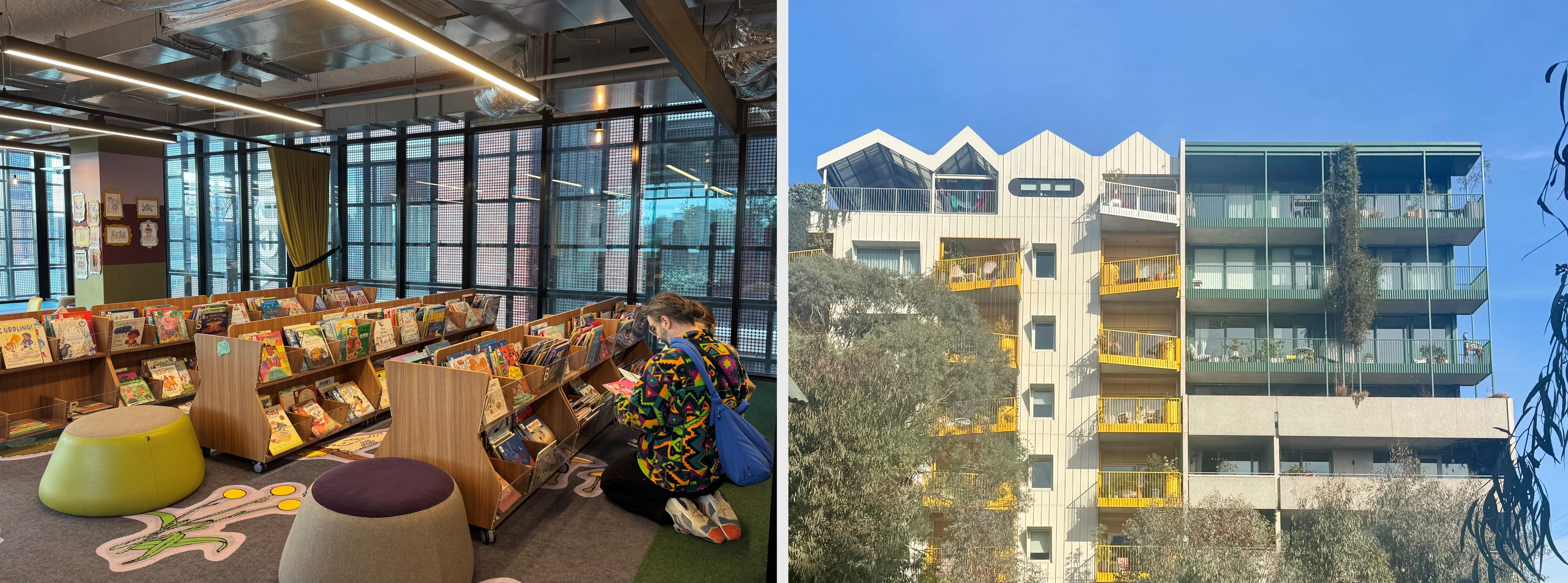
narrm ngarrgu library at the Queen Victoria Market Precinct (left) and Nightingale Village (right)
With the population boom bringing about an increase in demand for homes, the state government released a Housing Statement indicating the need for 1.6 million homes by 2051, which translates to about 57,000 dwellings per year.1 Melbourne is addressing this housing shortage through a range of initiatives, from specialist supportive transitional housing through the Make Room project for those experiencing rough sleeping to boosting the supply of affordable housing. For example, in the Queen Victoria Market Precinct, the city council purchased a land parcel and partnered with the private sector to deliver a mixed-use community hub with affordable apartments, a library and family services centre.
Innovative housing and financing models are also gaining prominence in the city. For instance, homes are sold at cost, with a proportion of units set aside for rent through community housing providers, at Nightingale Housing. Resale prices are limited to the original cost plus the increase of housing prices in the area. As a non-profit organization, Nightingale Housing differs from typical apartment projects as it prioritises social, financial and environmental sustainability. This includes features such as communal gardens and laundry spaces, and electricity powered by renewable energy.
Meanwhile, private developers are responding to difficult Build-to-Sell market conditions with more Build-to-Rent (BTR) projects that offer greater flexibility, catering to groups like young professionals and Melbourne's large population of international students. The government also encourages this through incentives like land tax discounts.
1 https://www.vic.gov.au/victorias-housing-statement-0
Ensuring Accessibility
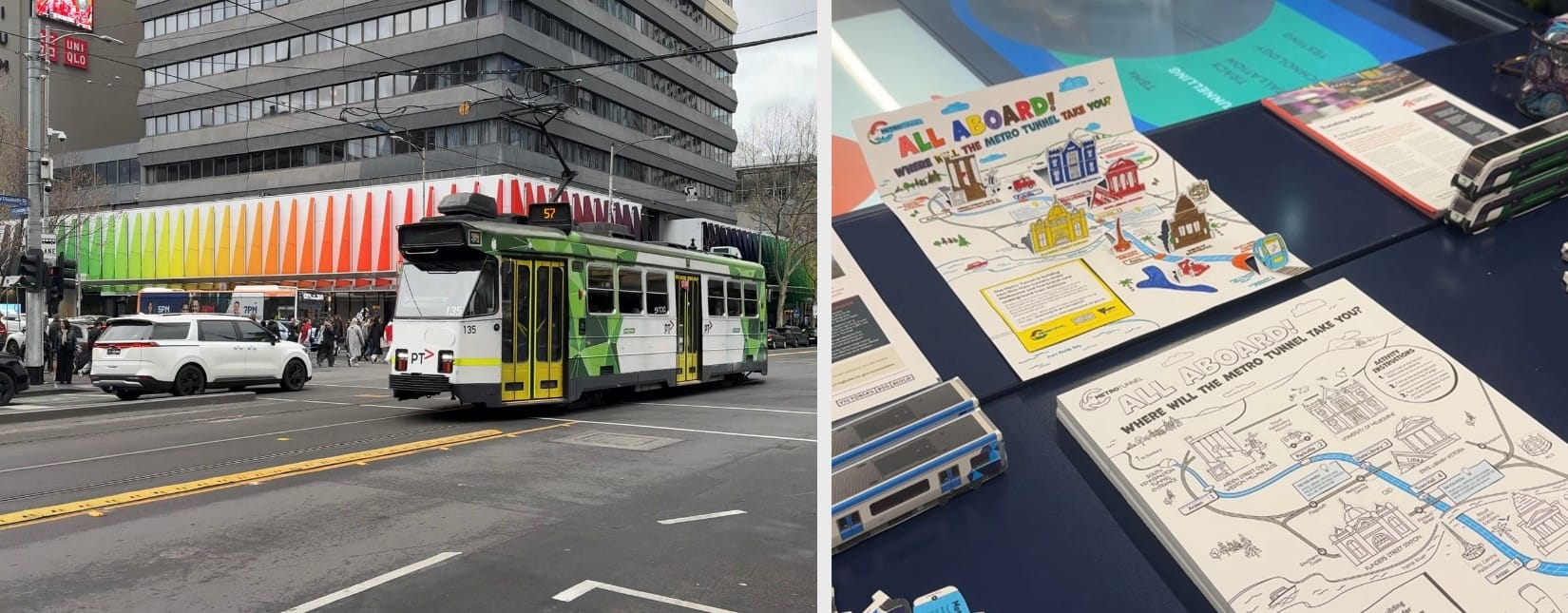
Tram in the Melbourne CBD (left) and kid-friendly materials at the Metro Tunnel HQ (right)
The city is also expanding its transport networks in response to its population growth. Melbourne is already well-known for its excellent connectivity with the largest tram network in the world and a free tram zone within the Central Business District (CBD). However, there is now a shift away from the city centre to focus on a more polycentric approach. This is enabled by transformative projects like the Suburban Rail Loop (SRL). When completed, the SRL would bring about 90km of rail that links up the suburbs without having to pass through the CBD.2 Besides improving accessibility, the aim is to create new hubs that will catalyse new mixed use developments providing homes and jobs.
At the same time, the new Metro Tunnel relieves pressure on Melbourne’s rail network. Opened in November 2025, its twin 9km tunnels allow three train lines to be taken off the congested City Loop. During construction, the city also established the Metro Tunnel HQ, an information centre for residents of all ages to learn about the project's updates and benefits, as well as to share feedback or concerns.
2 https://bigbuild.vic.gov.au/projects/suburban-rail-loop/about/project-benefits
Embracing Arts, Culture and Heritage
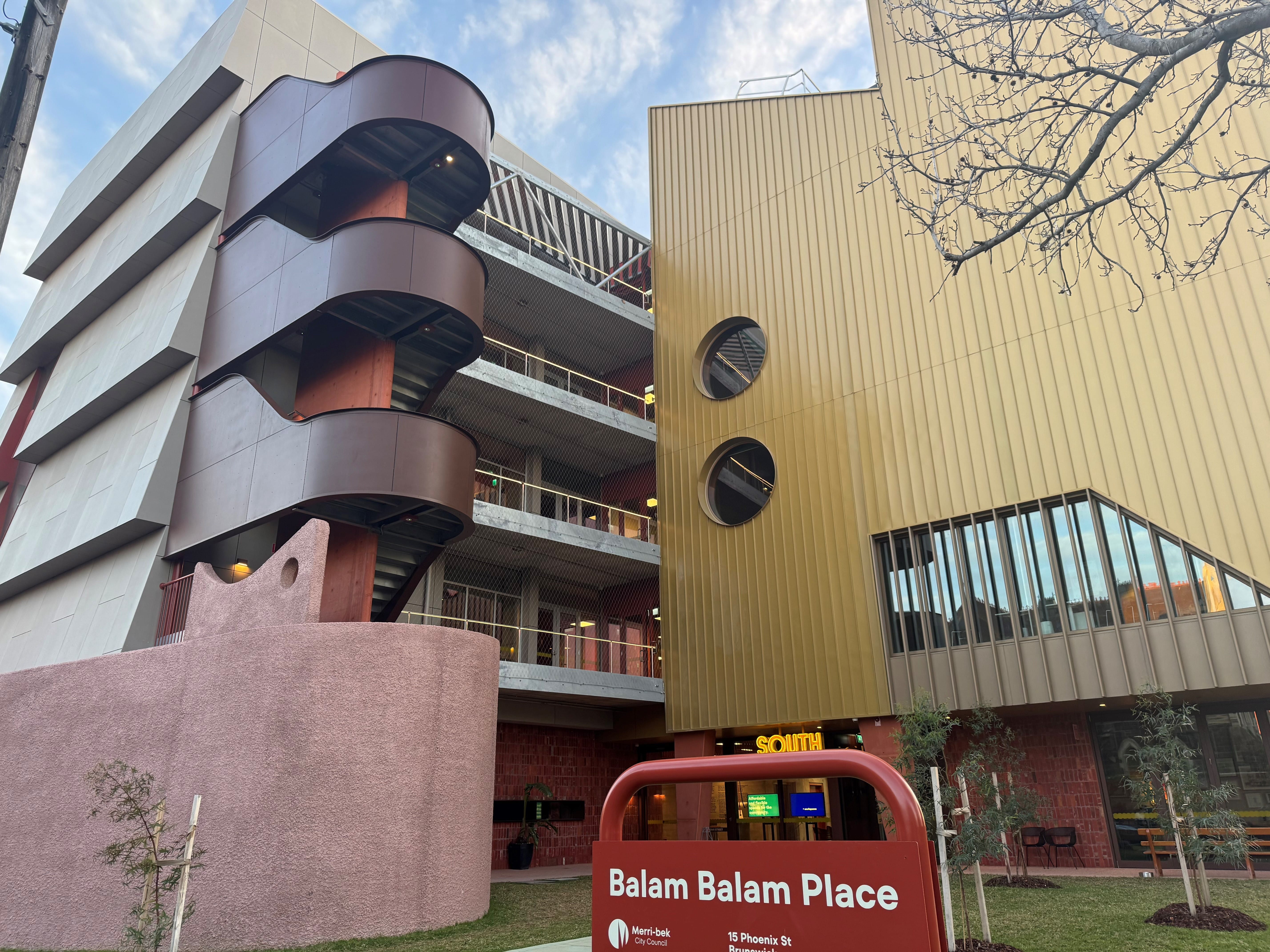
Balam Balam Place
Melbourne is also building on its reputation as the cultural capital of Australia. The city has a stacked calendar of events, ranging from arts and music like the popular Rising Festival to major sports events like the Australian Open.
A key initiative that would upgrade the experiential quality of the city is the Melbourne Arts Precinct Transformation. This is the biggest cultural infrastructure project in Australia, comprising The Fox: NGV Contemporary, Australia’s largest gallery of contemporary art and design, upgrades to the Arts Centre Melbourne’s heritage Theatres Building and a new 18,000sqm public urban garden.
Another significant development is Balam Balam Place, a heritage site dating back to the 1880s that has been converted into a purpose-built creative and community precinct. Besides restoration works, an additional five-storey building was also constructed to host commercial offices, art galleries, event floors and amenities including maternal and child health services. The strong emphasis on community engagement and consultation spanning across multiple years has shaped the space around local needs, resulting in a well-utilised and successful project.
Conclusion
Melbourne’s approach to liveability exemplifies the importance of working closely with stakeholders – be it different levels of government, private sector, non-profits, residents and more. This foundation will be essential as it seeks to maintain its liveability for all while navigating population growth and other evolving urban trends.
Contributed by: Alison Lee, Assistant Director, Research